
Understanding Scuba Diving
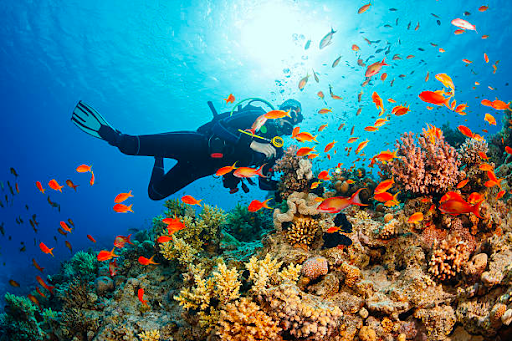
Scuba diving is an adventurous underwater activity where divers use a self-contained underwater breathing apparatus (scuba) to breathe while exploring underwater. Scuba diving has been practiced since World War II for military purposes and later evolved into a recreational activity. The gear associated with this underwater exploration typically includes a mask, fins, and a vest that holds an airflow system connected to a tank.
What is Scuba Diving?
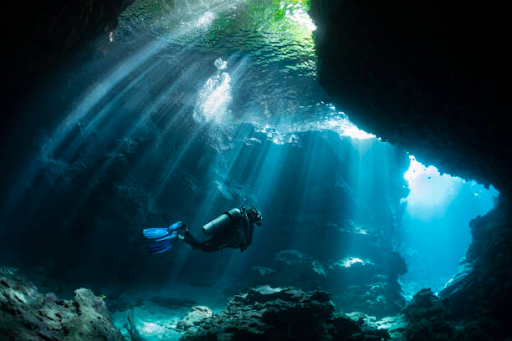
Scuba diving is a mode of underwater diving where the diver uses an apparatus which is completely independent of surface supply, to breathe underwater. It’s a unique way to delve into the underwater world, observing marine life in their natural habitat, visiting shipwrecks or simply enjoying the weightless experience of being submerged.
History of Scuba Diving
Ever since people have engaged with the sea, they have sought ways to stay under longer and go deeper. From ancient free divers with air-filled bladders to the military and scientific divers of World War II, the ability to spend considerable time underwater has been a human pursuit. Modern recreational scuba diving, widely spread due to the efforts of Cousteau and Gagnan, allows us to explore the underwater world with relative safety and comfort.
The Equipment Needed for Scuba Diving
The Pre-Requisites of Scuba Diving
Many factors determine someone’s compatibility for scuba diving, such as age, health conditions, and indeed, swimming skills.
General Requirements
No matter which agency you choose for your scuba certification, you will find age restrictions. The common consensus is that children younger than 8 are too young for scuba diving. For those who are 8-10, there may be restrictions on depth and they must usually dive with a certified adult. The fabulous city of Cairns in Australia, known for its cruise liner terminal, is home to many diving schools where people of appropriate age limits can learn to dive in Cairns and gather unrivaled experiences.
Physical and Health Conditions
| Condition | Requirement |
|---|---|
| Age | Minimum Age varies from 8-10 dependent on agency |
| Physical Fitness | Ability to handle physical strains underwater |
| Cardiovascular Health | Adequate to ensure the ability to deal with pressure differences |
The Role of Swimming Skills in Scuba Diving
Many diving agencies recommend that you can comfortably swim about 200 metres or snorkel 300 metres without stopping, as well as able to tread water or float on the surface for at least 10 minutes- not so much for the purposes of performing the dive itself, but rather for potential self-rescue. The PADI certification is one of the most popular diving certifications worldwide and individuals can check their PADI certification by visiting the PADI website.
Swimming vs. Scuba Diving
Scuba diving and swimming indeed share similarities, however, they’re not identical in nature. And the necessity of swimming skills in diving is not as clear cut as some may assume.
The Difference Between Swimming and Scuba Diving
While the acts of swimming and scuba diving might seem synonymous to some, they are indeed separate skills. The major similarity is that both activities occur in water. However, swimming primarily involves the action of staying afloat and moving in water using arms and legs, while scuba diving is about exploring underwater with the aid of a breathing apparatus and fins. In scuba diving, the focus is on buoyancy control, breathing, and navigating under water. It’s less about swimming proficiency, and more about comfort and self-control in the water.
Why Basic Swimming Skills can be Useful
Basic swimming ability instills confidence in water, it aids in maintaining composure during unexpected circumstances, and provides an understanding of how to move efficiently in the water. Furthermore, having swimming skills may be beneficial during surface intervals as well as in emergency situations, such as being carried away from the dive boat by a current.
Scuba Diving Training and Courses
Scuba diving might seem overwhelming at first, given the prerequisite skills and the array of equipment involved. But rest assured, training courses typically cover all of these aspects to ensure participants are well-equipped for the underwater adventure.
What Do Scuba Diving Training Courses Entail?
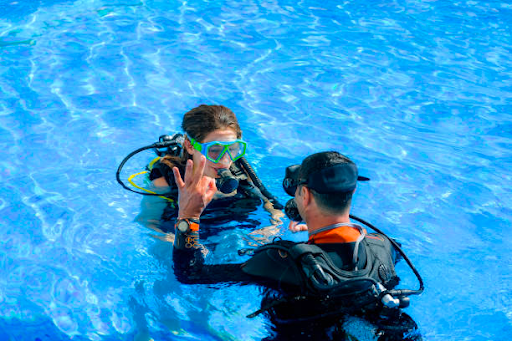
Learning to scuba dive usually involves three stages: Knowledge Development, Confined Water Dives, and Open Water Dives. In the Knowledge Development stage, you learn basic principles and procedures for diving. This can be done online, through independent study, or in a classroom setting. Confined Water Dives are conducted in a pool or pool-like conditions, here you master basic scuba skills. Finally, in the Open Water Dives, you apply the acquired knowledge and skills and explore!
Alternatives for Non-Swimmers
Scuba diving courses generally require some level of comfort and skill in the water. But if you’re really keen on exploring the underwater realm without being a capable swimmer, snorkeling could be an alternative. It involves floating on the water’s surface and observing marine life through a masked faceplate.
Safety Measures in Scuba Diving
Safety is, without question, the highest priority in scuba diving. Knowing the best practices beforehand and being well-prepared can save you from a difficult situation.
Importance of Safety Whilst Underwater
Scuba diving is generally a safe activity as long as you have the proper training, and you dive within the limits of your diving certification. However, it’s vital to always be aware of the potential risks and prevent accidents. This could mean checking your gear thoroughly before diving, maintaining a safe distance from dangerous marine life, or knowing how to handle different water conditions.
Buddy System in Scuba Diving
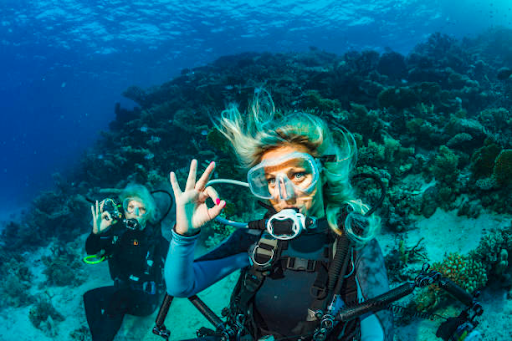
The buddy system is a key aspect of safety measures in diving. It involves pairing up with another diver and looking out for each other during the dive. This includes checking each other’s gear before diving, communication underwater, and being there for each other in the event of an emergency.
Real Life Scuba Diving Experiences
Divers come from various backgrounds, swimming abilities inclusive. Here are some experiences.
Testimonials from Divers Who Can’t Swim
- John, a non-swimmer, shared: “My first time scuba diving was intense. I was skeptical due to my lack of swimming skills, but the instructors were incredibly helpful, and buoyancy control really is more important than swimming in scuba diving.”
- Anna, another non-swimmer, said: “I took a beginner’s scuba diving course. Despite some initial nerves, I was able to stay calm and thoroughly enjoyed the underwater experience!”
Testimonials from Divers Who Can Swim
- Lucy, a swimmer, stated: “As a swimmer, I felt very confident in the water which made my diving experience more comfortable. But the skills varied – buoyancy control, using the equipment, that was different. Both swimmers and non-swimmers have to learn it.”
- Robert, another swimmer, expressed: “For me, diving is a different beast. Yes, I can swim, but the feeling underwater, wearing all that equipment is a different experience. Anybody can enjoy diving, swimmer or not!”
Conclusion
So, the question stands – Do you need to know swimming for scuba diving? Well, some basic swimming abilities and comfort in water will surely enhance your experience, but it’s not entirely indispensable. However, it’s important to highlight that this is a general perspective and individual diving schools or certification bodies might have their own specific prerequisites.
FAQs
- Q: Can I go scuba diving if I can’t swim? A: Technically, yes, you can. While some basic swimming skills will enhance your scuba diving experience, they’re not strictly necessary. However, you do need to be comfortable in water and capable of performing certain actions like floating or treading water for a specific time.
- Q: What basic swimming skills are needed for scuba diving? A: Most agencies recommend being able to swim 200 metres/yards or snorkel 300 metres/yards without stopping, along with treading water or staying afloat for 10 minutes.
- Q: Do all diving agencies require you to know how to swim? A: While most do recommend it, not all agencies strictly require swimming skills. However, comfort in and around water is universally important.
- Q: What other requirements are there for scuba diving besides swimming? A: There are age limits, physical fitness, and health considerations. Certification agencies might require a medical certificate stating that you’re fit to dive.
- Q: Can kids go scuba diving? A: Yes, kids can scuba dive! However, they have restrictions on depth, and they must usually dive with a certified adult. Various agencies offer programs designed specifically for kids.