
Tattoo removal has become a lot more popular for those who want to erase or modify their ink. Whether it’s a change of heart, professional tattoos or an unsatisfactory tattoo, many turn to laser removal, surgical removal or dermabrasion to remove unwanted tattoos. While technology has improved these procedures, there are still risks of tattoo removal. Knowing these risks, the tattoo removal process and aftercare instructions will help you make an informed decision before you start the process.
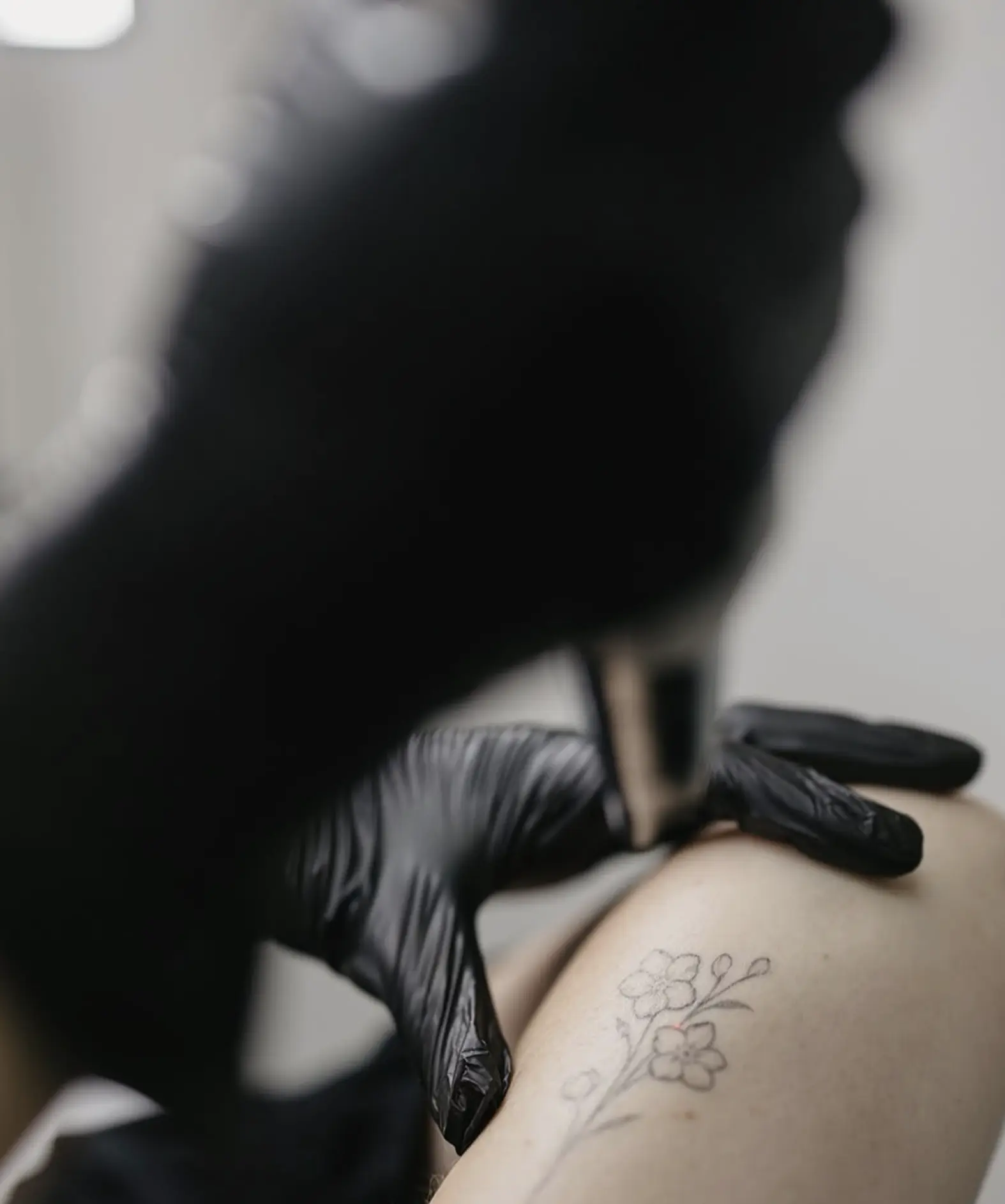
As tattoo removal techniques change, many professionals take specialized training through tattoo removal courses to ensure safe and effective treatments. These courses teach important knowledge on laser wavelengths, skin types and potential side effects so practitioners can minimise risks and get better results. If you’re considering tattoo removal, make sure you see a professional who has done this training so you get the best care.
1. Scarring
One of the biggest risks of tattoo removal is scarring. Laser treatments especially if done incorrectly or aftercare instructions not followed can cause permanent scarring. Some people are more prone to scarring due to genetics, skin conditions, skin diseases or pre-existing health risks.
2. Skin Discoloration
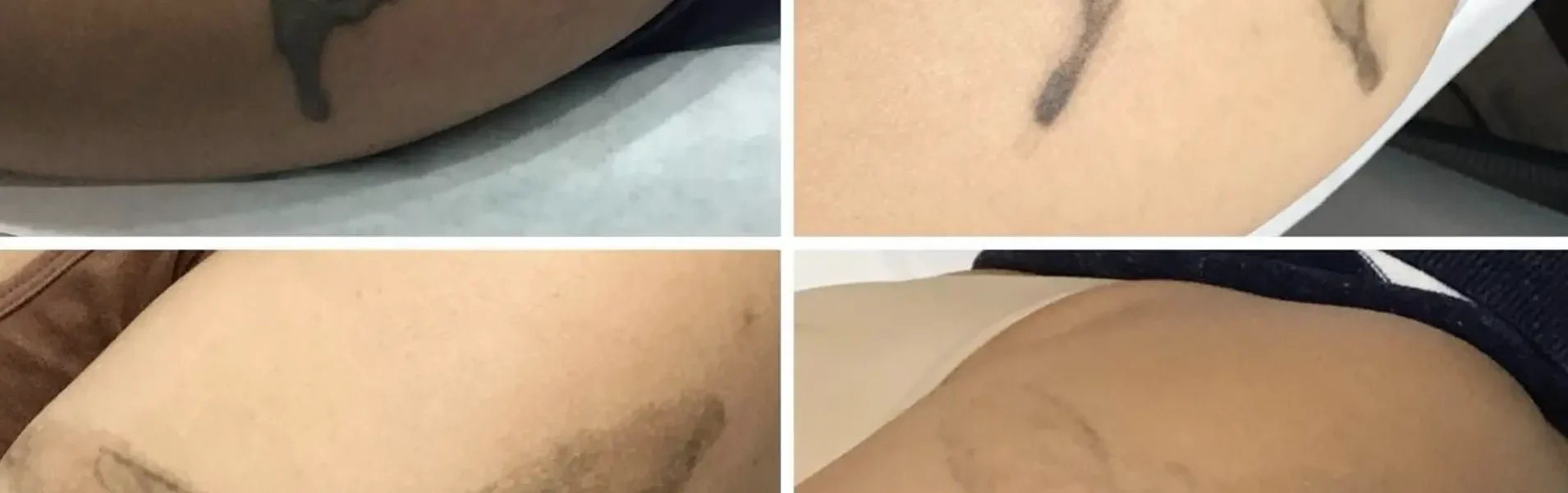
Tattoo removal can sometimes cause hyperpigmentation (dark spots) or hypopigmentation (light spots). This is more common in people with darker skin tones and may take months or even years to fade. In some cases it can be permanent, so skin type is an important factor in the treatment of tattoos and laser tattoo removal.
3. Infection
As with any skin procedure, there’s a risk of bacterial or fungal infections if proper hygiene and aftercare products like antiseptic or antibacterial ointment are not used. Open wounds or blisters from laser tattoo removal sessions can get infected and lead to further complications and prolonged healing time.

4. Pain and Discomfort
Tattoo removal can be painful. Some people describe it as the sensation of snapping a rubber band against the skin repeatedly. Although numbing creams and cooling devices like an ice pack can help, some level of discomfort is expected. The level of pain depends on factors like tattoo location, type of tattoo, tattoo pigment, colors of ink and the type of laser used in the tattoo removal process.
5. Incomplete Removal or Shadowing
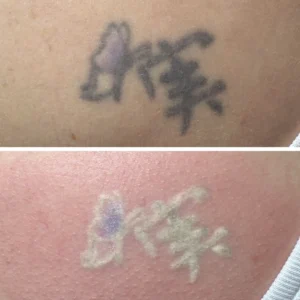
Some tattoos don’t fully disappear even after multiple sessions. Certain ink colors (blue, green, multi-colored) are harder to remove than others. A ghost image or shadow of the tattoo may remain visible even after extensive laser removal sessions depending on the ink, tattoo colors and individual skin type.
6. Allergic Reactions
Rarely the laser breaking down the ink can trigger an allergic reaction causing redness, swelling or itching. If you have a history of tattoo reactions or skin allergies you should consult with a medical professional before laser tattoo removal.
7. Blistering and Swelling
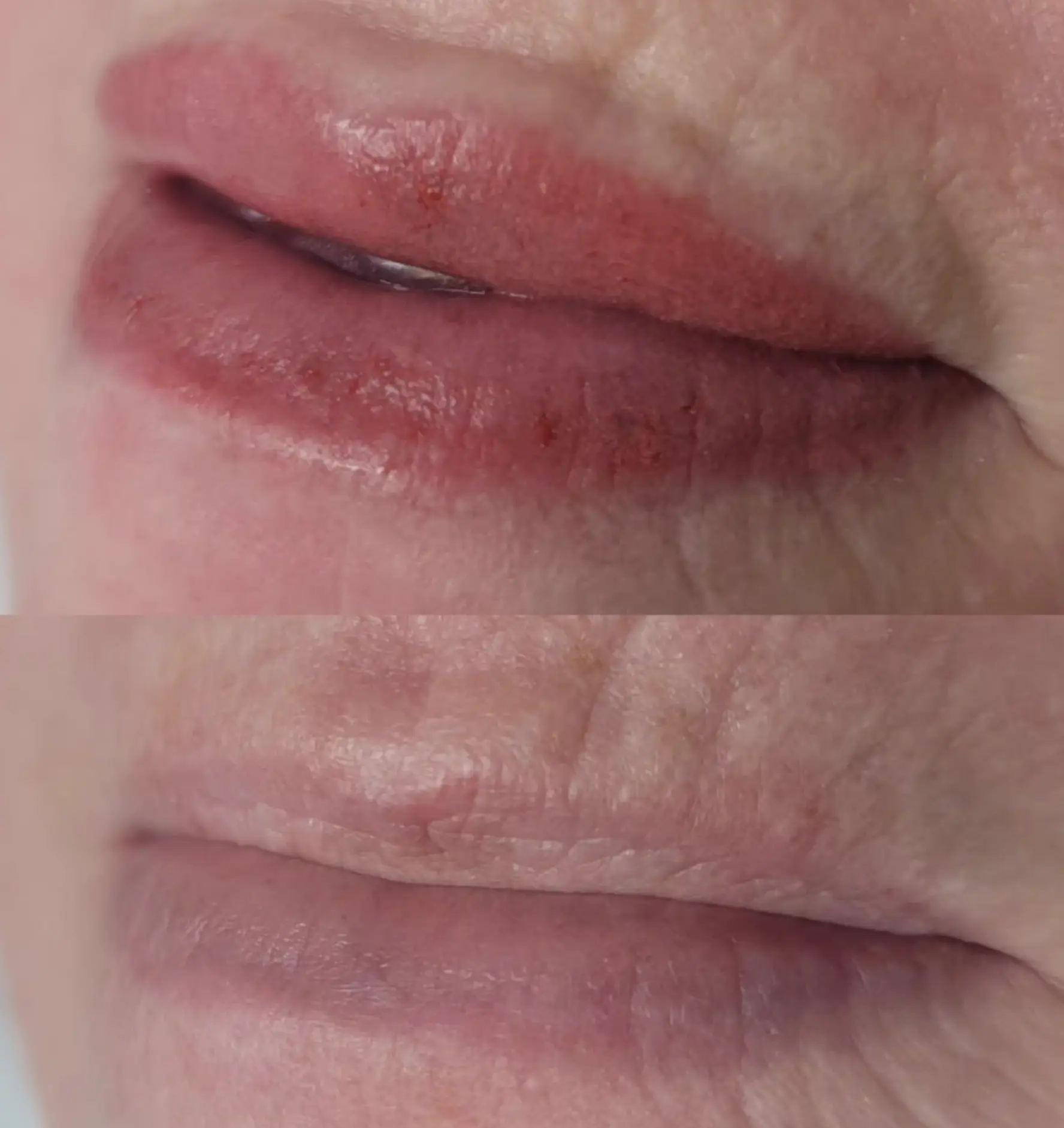
After laser light exposure during a session, the tattooed skin may blister, become red, and swell. These are usually temporary but improper care can lead to complications such as infection or prolonged healing time. Proper aftercare and using aftercare products like antibiotic ointment can minimize these side effects.
8. Laser Tattoo Removal on Different Skin Types
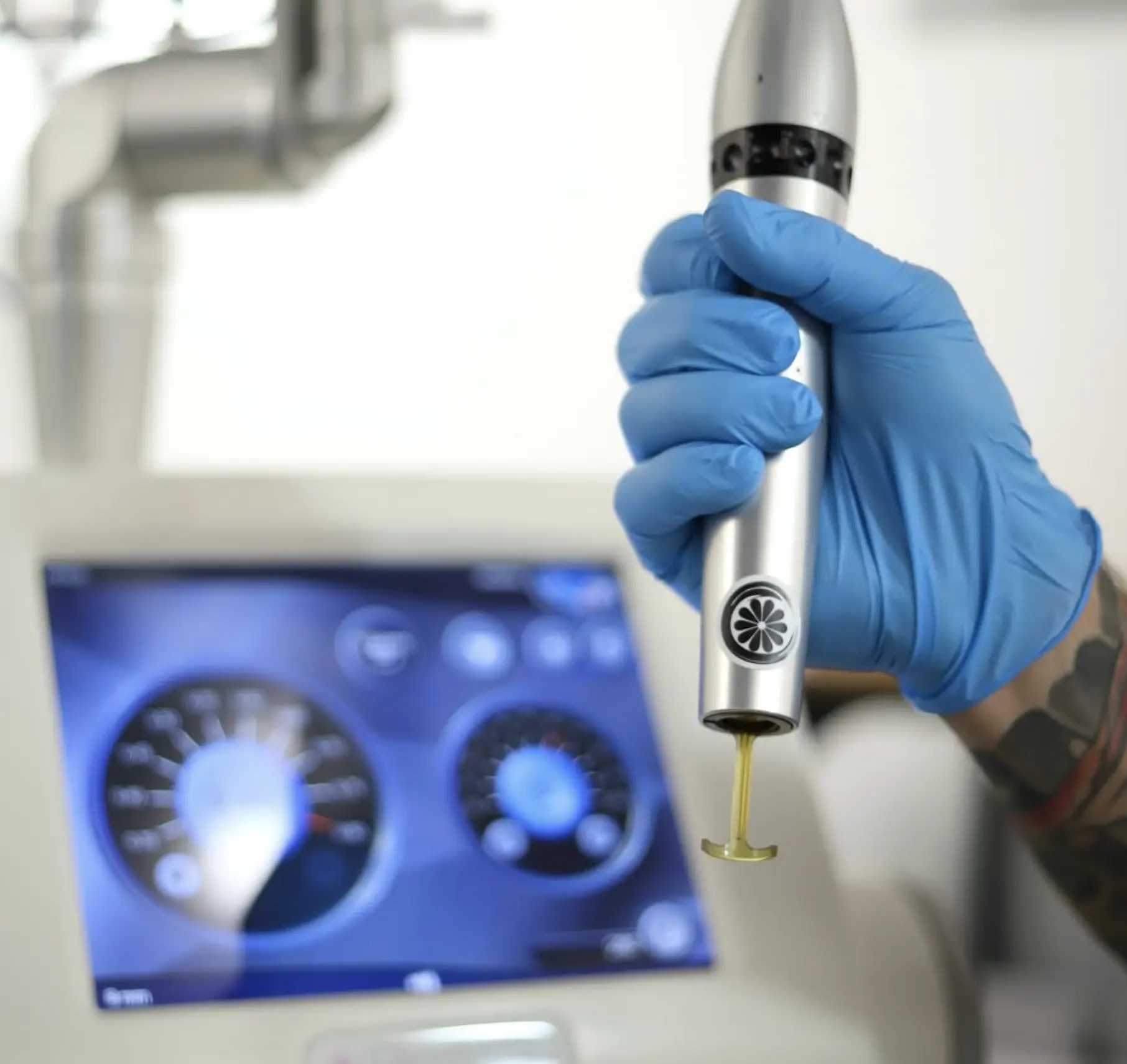
Laser tattoo removal results vary depending on individual skin type, darker skin tones and the type of laser used. Laser energy wavelengths and pulse duration play a big role in targeting the ink; some colors of ink are more resistant to treatment than others. Professional tattoo removal service use modern techniques such as Q-switched lasers, ultra short pulses and high intensity light beams to improve the removal of tattoos.
9. Risks and Complications
Tattoo removal has its own set of risks, including non-specific heat damage, adverse effects and complications such as adjacent skin irritation. The method of tattoo removal, controlled heat application, and laser technique used influence the risk of scarring and permanent skin damage.
10. Tattoo Removal Industry and Modern Laser Technology
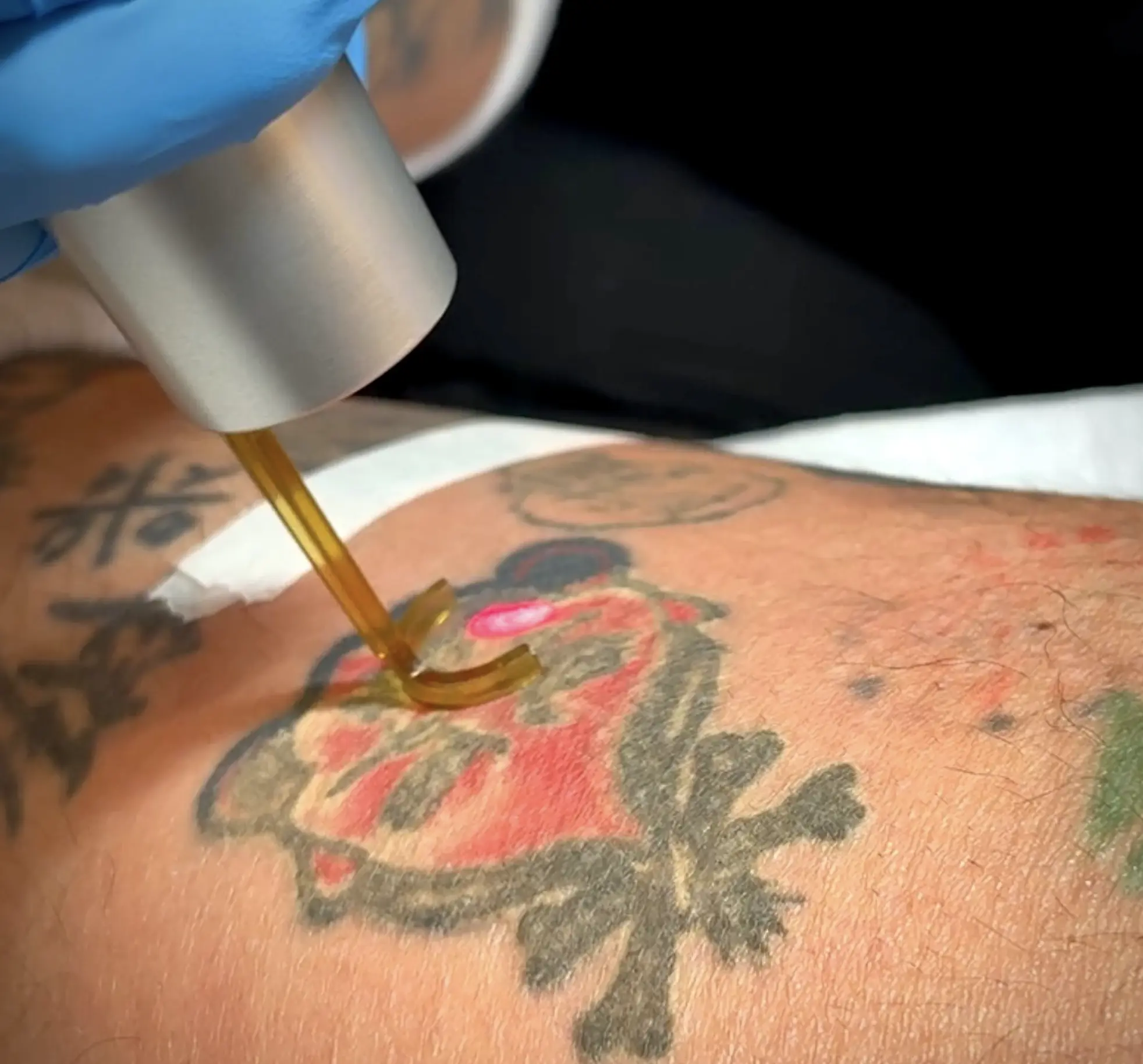
Modern laser technology has improved the safety and effectiveness of tattoo removal. However the success of treatment depends on working with a qualified professional or skilled practitioner who knows the type of laser best suited for the tattoo pigment. Techniques for tattoo removal are evolving, and there are treatment plans for different types of tattoo removal.
Conclusion
Tattoo removal is a big decision; you should carefully weigh the risks and benefits of removal. Consult with an experienced tattoo artist, medical professional or a skilled practitioner to ensure successful treatment with minimal risks. The tattoo removal industry is evolving and has modern laser technology and advanced tattoo removal technology for better treatments. Knowing the risks of tattoo removal and choosing the right method of removal will lead to better treatment outcomes.
FAQ
Can I get a scar permanently from tattoo removal?
Yes, although technology has come a long way, scarring can still occur if aftercare instructions aren’t followed or if you are prone to scarring due to your skin type and health risks.
How long does it take for my skin to heal after tattoo removal?
Healing time varies from person to person but 7-14 days for the skin to recover from each treatment. Full removal can take several months depending on the size of the tattoo, tattoo ink, colors of ink and type of tattoo removal used.
Is tattoo removal safe for all skin types?
While laser removal is generally safe, people with darker skin tones are at a higher risk of pigmentation changes and side effects. Consult with a medical professional who has experience with different skin types.
Can I remove a tattoo at home?
DIY methods of tattoo removal (chemical peels, tattoo removal creams or infrared coagulator devices) can be dangerous and lead to permanent scarring or severe skin damage. Professional tattoo removal is the safest and most effective way to treat tattoos.
Does tattoo removal hurt more than getting a tattoo?
Pain varies but many people find laser removal more painful than getting a tattoo. But numbing agents, cooling techniques and a good treatment plan can help manage the discomfort during the process making it a more tolerable medical treatment.
As with any skin procedure, there’s a risk of bacterial or fungal infections if proper hygiene and aftercare products like antiseptic or antibacterial ointment are not used.