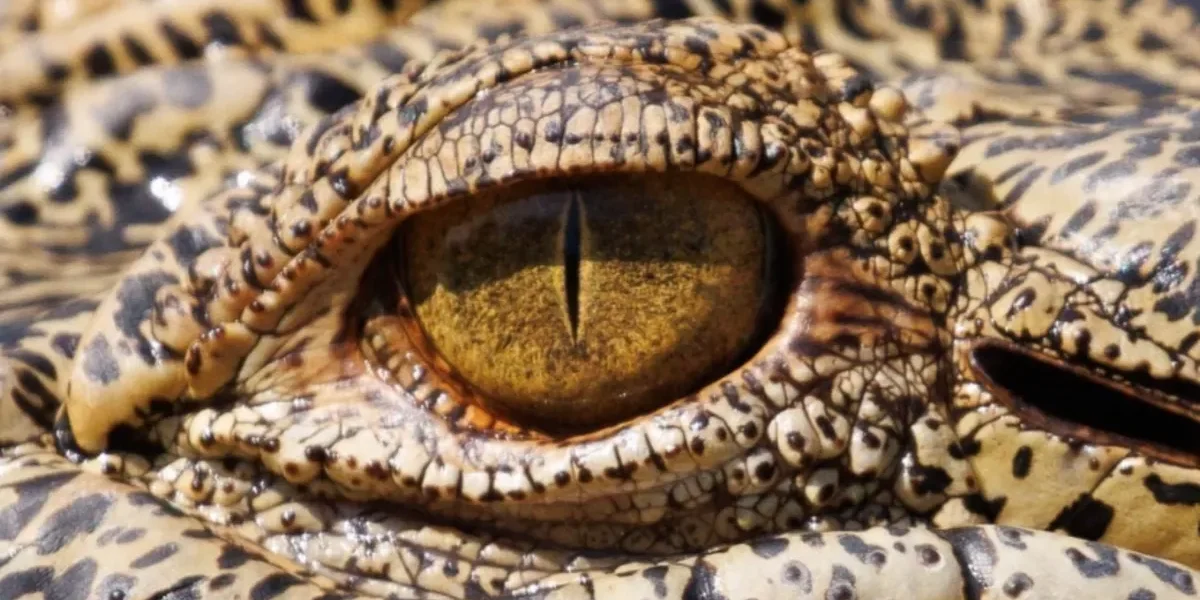

Litchfield National Park is one of Australia’s best-kept secrets, attracting visitors from all over the world with its waterfalls, diverse landscapes and wildlife. Only 100km south of Darwin, this is a must-see destination for adventure and natural beauty. However, one of the most common questions from visitors is, “Are there saltwater crocodiles in Litchfield National Park?“
Saltwater Crocodiles
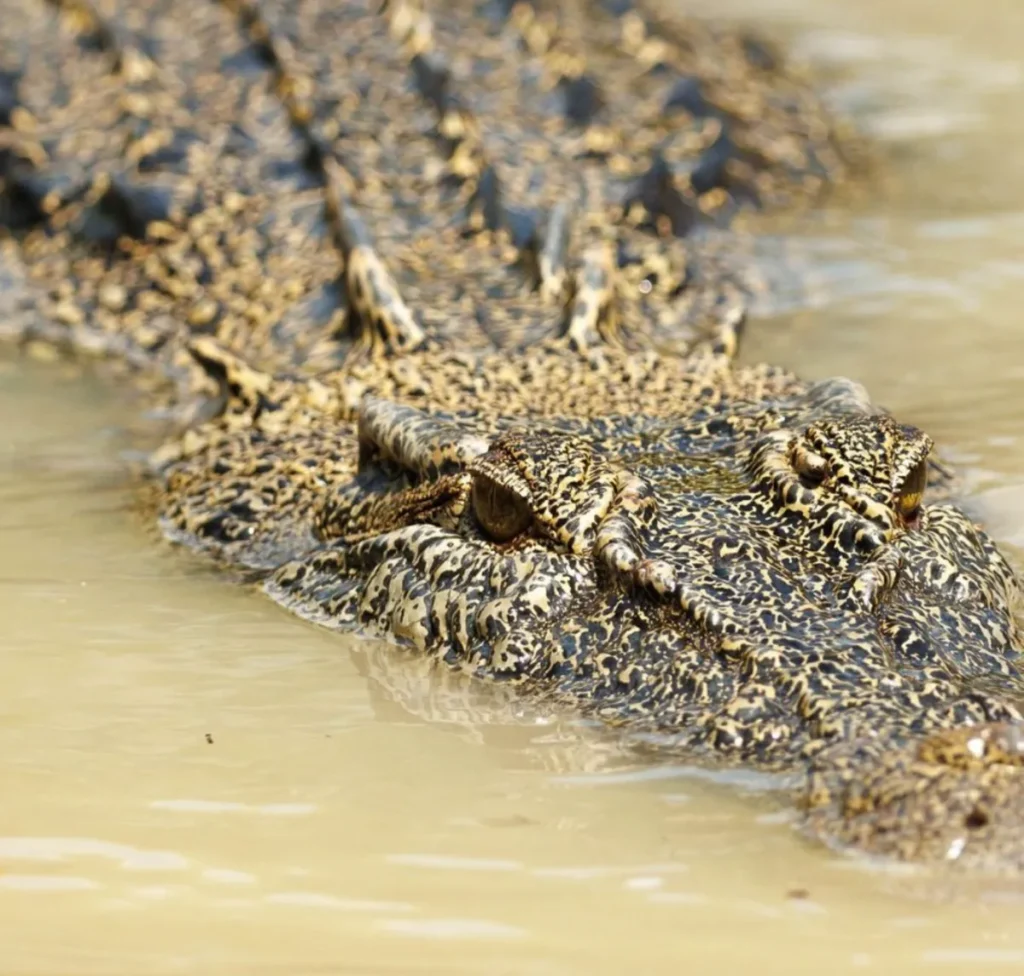
Saltwater crocodiles, or “salties” as we call them, are the largest and most dangerous reptiles in the world. They can grow up to 7m in length and are known for their brute strength and aggression. The Northern Territory, where Litchfield National Park is located, has a large crocodile population, especially in the coastal areas, rivers, and wetlands.
Litchfield Park with its waterfalls and swimming holes is generally safe. But you need to be aware of the presence of saltwater crocodiles in some areas, especially during the wet season when the water levels rise and they can move into new territory.
Wet Season vs Dry Season: Crocodile Risks
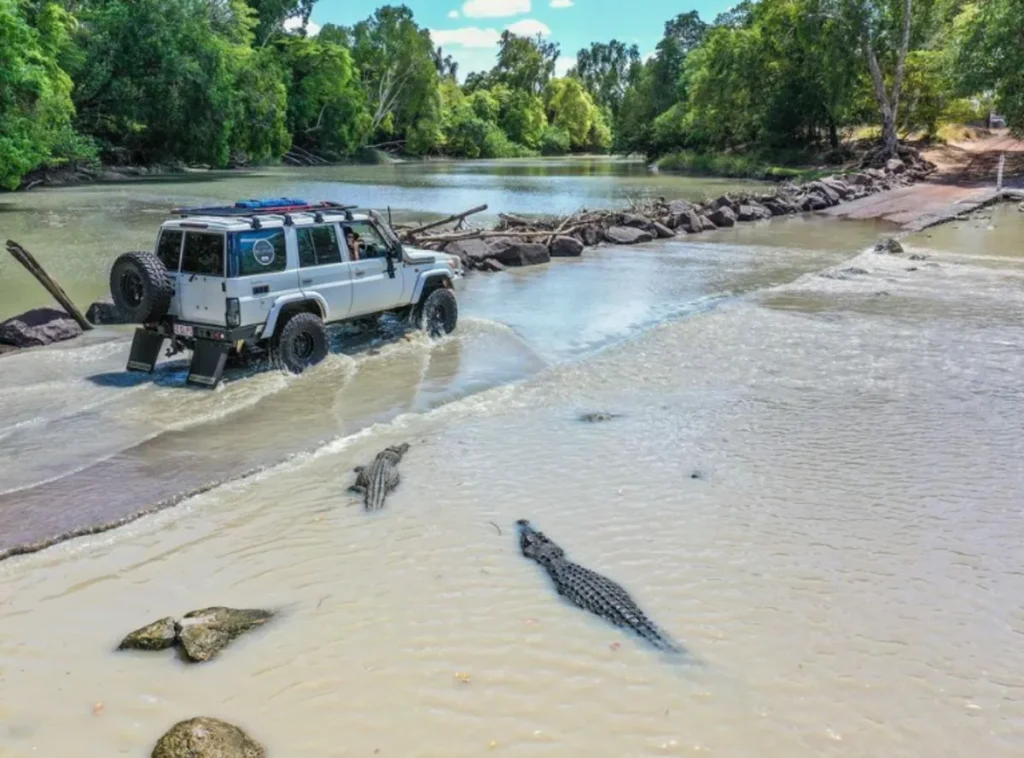
The wet season is from November to April and this is when the risk of saltwater crocs in Litchfield National Park is highest. During this time the park gets heavy rainfall and the water levels rise. The increased water flow means crocodiles can move into areas that are normally safe, like shallow rock pools and popular swimming holes like Wangi Falls and Florence Falls.
On the other hand, the dry season from May to October is generally safer for visitors. The water levels drop, and the park’s crocodile management team can more easily monitor and manage the crocodile population. During this time, the plunge pool at Wangi Falls and the natural pool at Florence Falls are regularly checked and declared safe for swimming.
How Litchfield National Park Keeps Visitors Safe
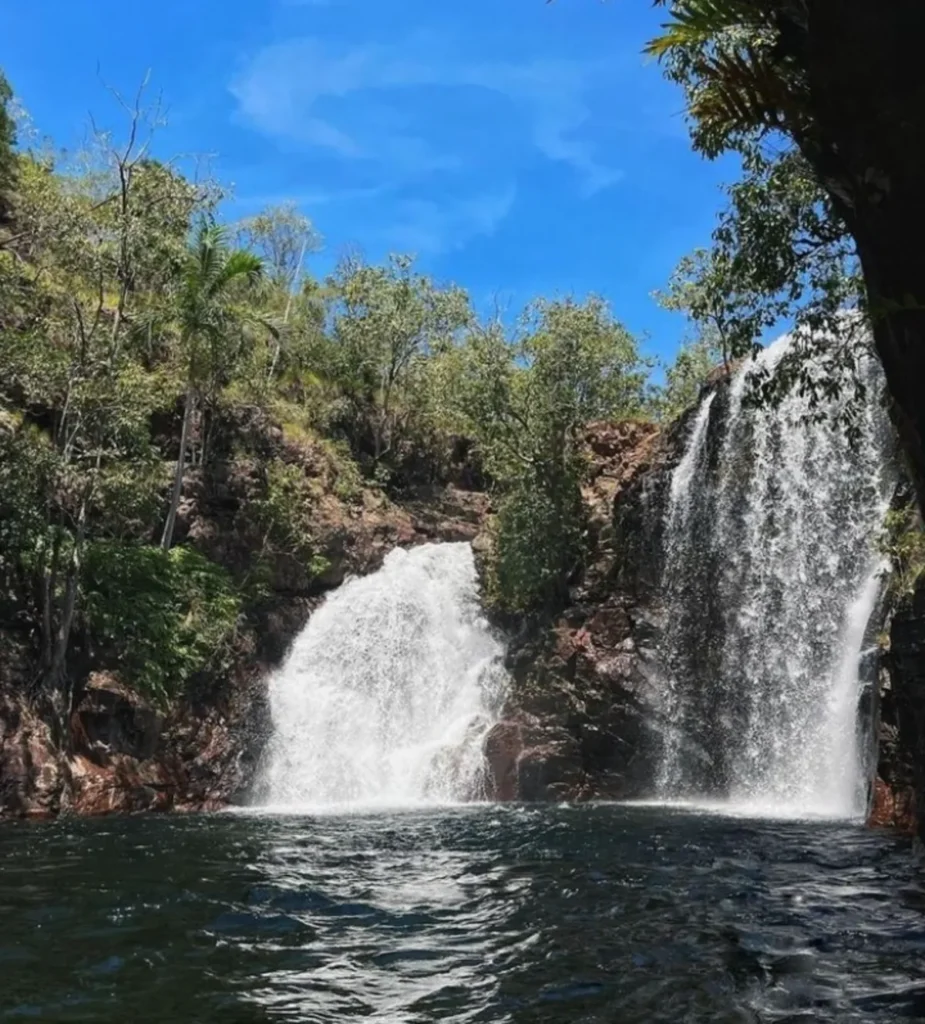
Litchfield National Park has many safety measures in place so you can enjoy your time without worrying about crocodile attacks. The park’s crocodile management team do regular crocodile surveys, especially in areas where tourists swim. These surveys are a high priority in popular areas like Wangi Falls, Florence Falls and Surprise Creek.
In addition to the surveys crocodile traps are set in croc habitats. Park Rangers check these traps regularly and they are an important part of keeping Litchfield Park safe. Park Rangers also place croc warning signs in strategic locations, especially near water, plunge pools and swimming holes.
Some areas may be closed during the wet season, but during the dry season, many of the park’s waterfalls and swimming holes are open and safe to visit. Wangi Falls, with its double waterfall and deep pool, is a popular swimming spot, as is Florence Falls, with its plunge pool surrounded by monsoon forest and sandstone formations.
Swimming Spots and Waterfalls
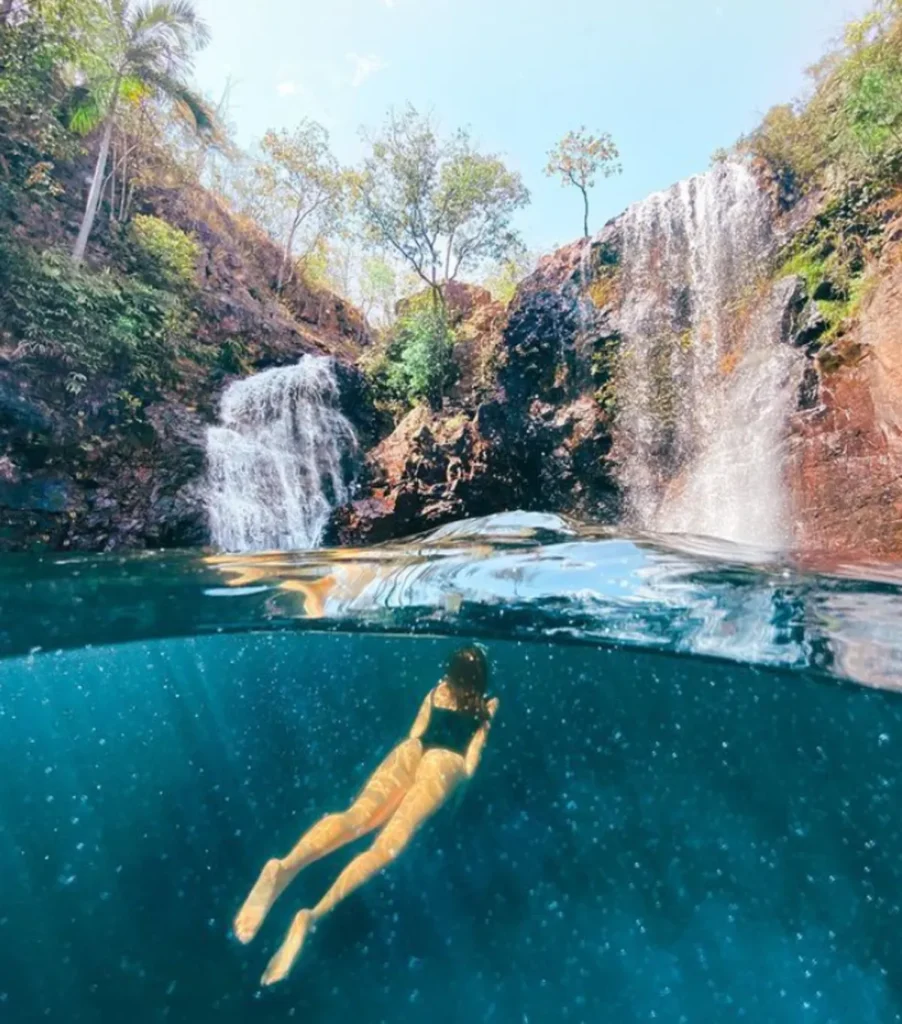
Litchfield National Park is full of amazing experiences, especially in its swimming spots and waterfalls. Wangi Falls is the most popular spot, with a crystal clear pool at the base of a big waterfall. Florence Falls with its double waterfall and natural pool is another favourite, with an impressive swimming hole surrounded by monsoon forest.
Hidden waterfalls and deep pools can be found all over the park if you want to go off the beaten track. Surprise Creek has secluded swimming holes and water lilies, a peaceful escape. Butterfly Falls is another hidden gem if you want to get away from the crowds.
Accommodation
Visitors to Litchfield National Park have plenty of accommodation options. Litchfield Tourist Park and Hideaway Litchfield offer great accommodation from basic camping to luxury. Whether you want deep wilderness camping or a more comfortable setup, there are campgrounds to suit every budget. Some campgrounds have family rates and child seats available for those travelling with young children.
If you’re planning to stay longer, the Central Valley Campgrounds are the opportunity to experience the park’s deep wilderness. These campgrounds are more remote but a great chance to get amongst Litchfield’s natural beauty.
Beyond Litchfield
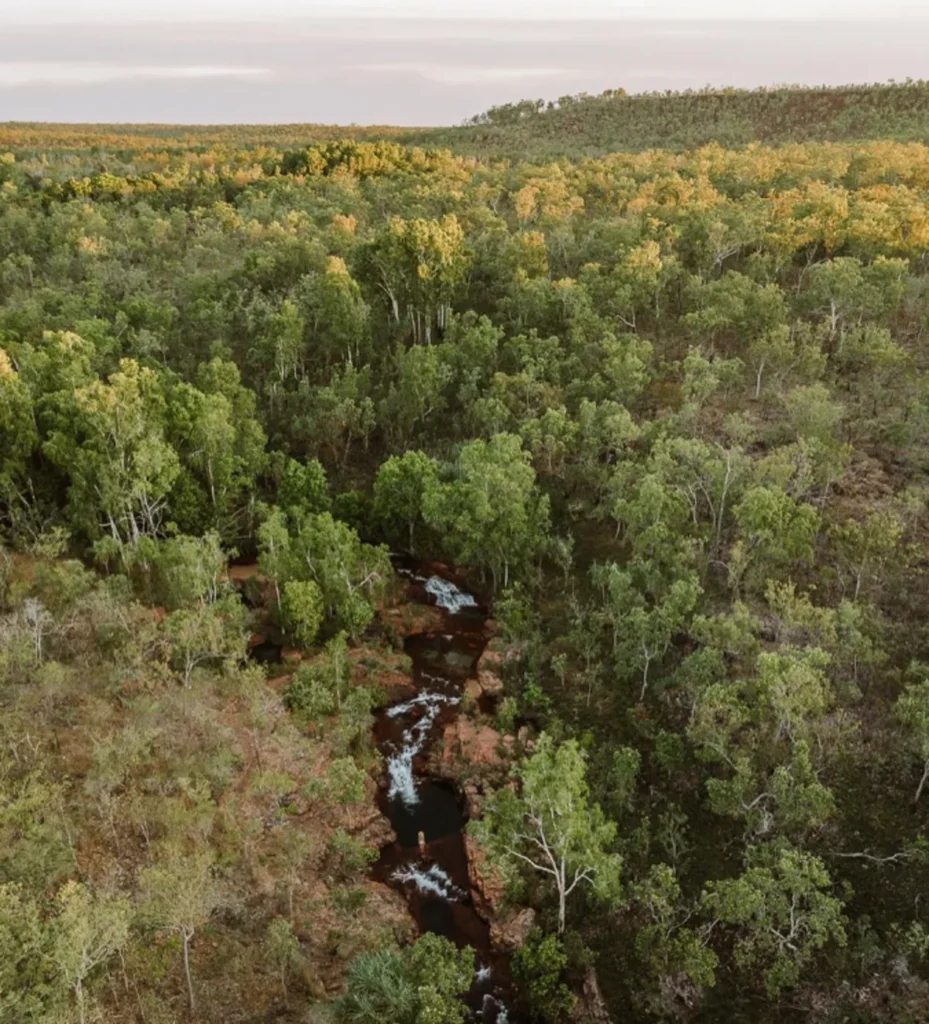
While Litchfield National Park is a destination in itself, many visitors also visit Kakadu National Park. Famous for its Aboriginal culture, stunning scenery and wildlife, Kakadu is a different but equally amazing experience. A Park Pass is required to enter, and it’s worth allowing extra time in your itinerary to visit both parks.
What to Do if You See a Crocodile
If you see a saltwater crocodile in Litchfield National Park, stay calm and follow these:
- Stay Calm and Back Away: If you see a crocodile, don’t panic. Slowly back away from the animal, keep an eye on it at all times.
- Don’t Provoke the Crocodile: Don’t throw objects, make loud noises or do anything to provoke the crocodile. This could trigger an aggressive response.
- Report the Sighting: Inform the Park Rangers of any crocodile sightings. The crocodile management team will take action to ensure the safety of other visitors.
- Follow the Safety Signs: Follow all Croc warning signs and instructions from Park Rangers. These are in place to protect you.
Responsible Tourism
When visiting natural areas like Litchfield National Park you need to be responsible. That means respect the environment, follow the rules and be aware of your impact on the local ecosystem. The Aboriginal people of the region have lived in this land for thousands of years and their knowledge and practices are still an important part of the park’s management.
Whether your visiting in the wet or dry season you need to be aware of your surroundings and take precautions. That means paying attention to water levels, checking the water temperature and not swimming in unmarked or restricted areas.
Visiting National Park Safely
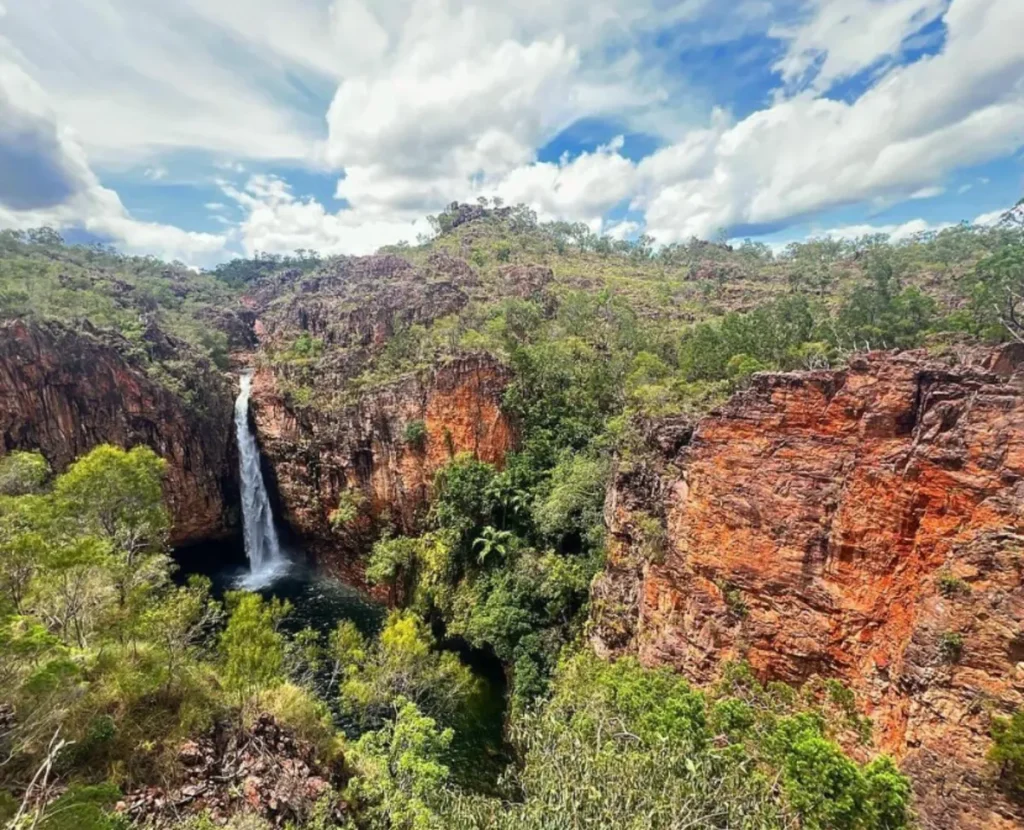
Litchfield National Park offers you the chance to explore one of Australia’s most beautiful natural landscapes. From the majestic waterfalls of Wangi Falls and Florence Falls to the hidden pools and deep wilderness of the Central Valley, there’s something for everyone. By following the rules and being aware of the risks, you can have a great and safe visit to this amazing park.
Whether you’re taking a helicopter flight over the park, going on a crocodile cruise or just relaxing by one of the park’s stunning waterfalls, Litchfield National Park is an experience like no other. With the right insurance coverage and a well-planned itinerary, you can have a great and safe Litchfield tours from Darwin.
By visiting Litchfield National Park and following the rules, you can have an experience like no other in one of Australia’s most beautiful natural landscapes.
FAQ
Can I swim in Litchfield National Park?
Yes you can swim in popular swimming spots like Wangi Falls, Florence Falls and Buley Rockhole. These areas are monitored by Park Rangers and the crocodile management team especially during the dry season.
What’s the difference between the wet and dry season?
The wet season (November to April) has heavy rain, high water levels and more saltwater crocodiles. The dry season (May to October) is safer with low water levels and more swimming areas open.
What to do if you see a crocodile in Litchfield National Park?
Stay calm, back away slowly and report the sighting to Park Rangers immediately. Do not approach or provoke the crocodile.
Where to stay near Litchfield National Park?
Litchfield Tourist Park and Hideaway Litchfield have a range of accommodation options from basic camping to luxury. Campgrounds with prices to suit all budgets are also available, including in the Central Valley.
Is Litchfield National Park worth visiting if I have extra time in my itinerary?
Yes. Litchfield National Park has amazing experiences, from exploring waterfalls and deep pools to relaxing in hidden waterfalls and swimming holes. It’s a must-see if you’re in the Northern Territory.