
You have got it made with this guide if you are in the mood to take that perfect shot of the Uluru, whose other name is Ayers Rock. Uluru is not just a great geological formation but also a place with deep religious significance for the indigenous Anangu population; hence, photographers get an experience that combines cultural importance and natural beauty. This article provides an all-around guide on what to expect—from the best landscape photography times to how to respect the sacred site’s cultural heritage. Whether you are an amateur photographer or a professional, Uluru has a variety of photo opportunities that may make your portfolio look better.
Best Time of Day for Photography
Timing is everything when it comes to getting perfect shots of Uluru. The rock’s deep tones change depending on weather conditions and time of day, giving different occasions for taking out-of-context pictures.
Sunrise
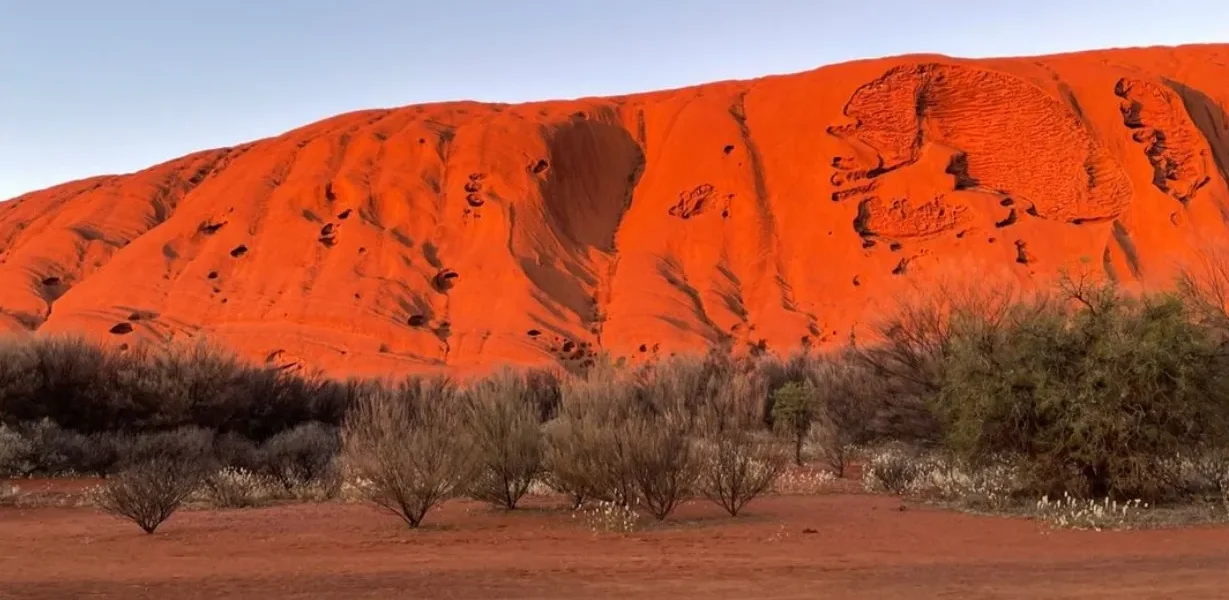
Just before sunrise at Uluru is pure magic. As the sky gradually changes from deep blues to vibrant oranges, the first rays of the morning sun begin to hit Uluru. Photographing Uluru at this time of day not only captures its peacefulness but also avoids the harsh sunlight that will be there later in the day. For many photographers, standing at the Talinguru Nyakunytjaku viewing platform as daylight begins can be part of their culture since it offers more than enough light but calmness without having many park people around.

Sunset
On the other hand, one cannot miss watching the Uluru sunset at Uluru. The rock turns through a colour range—burnt orange till fiery red—as the sun moves into the vast desert plain behind them. One hour after sunset brings about many dramatic shots when the sky’s afterglow perfectly complements Ulura’s darkening shade of red. There are numerous sunset viewing platforms; however, finding your own spot off the beaten track can provide a more unique and personal photograph.

Park After Dark
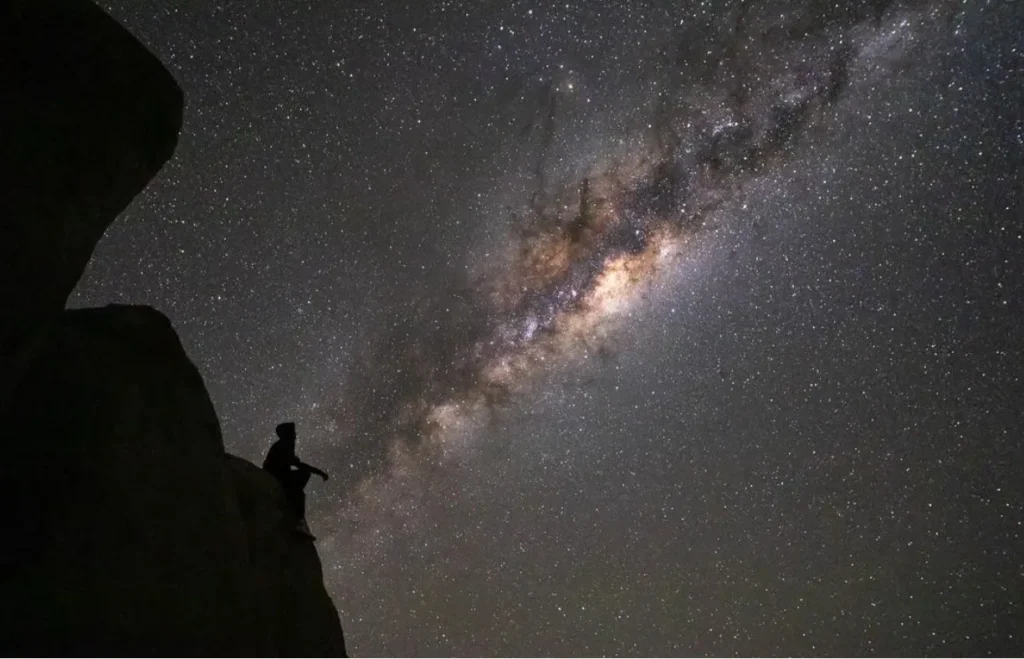
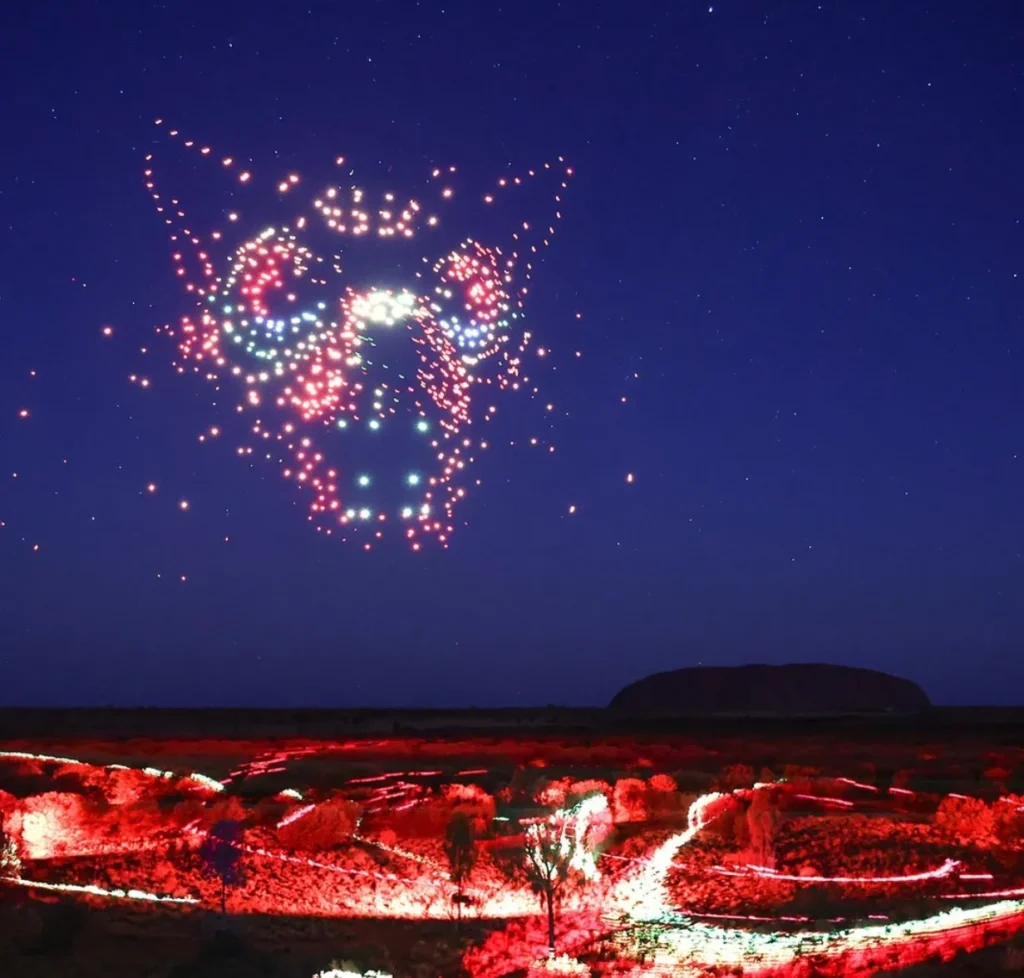
The word ‘incredible’ cannot even begin to describe what one experiences in this park, especially if you are a lover of the stars or have an interest in astrophotography. Since there are no lights, the Milky Way is visible to the naked eye and stretches from one horizon to another. Star trails can be experimented with here, starting with Uluru as a powerful foreground. This is the best way in which the park offers more than just daytime photo opportunities by giving great nighttime scenes.
Unique Photo Spots
While Uluru attracts enthusiastic photographers like a magnet, other areas within Uluru-Kata Tjuta National Park are also attractive for other reasons.
Tjuta National Park
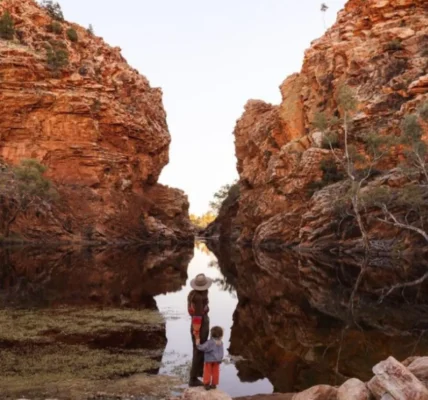
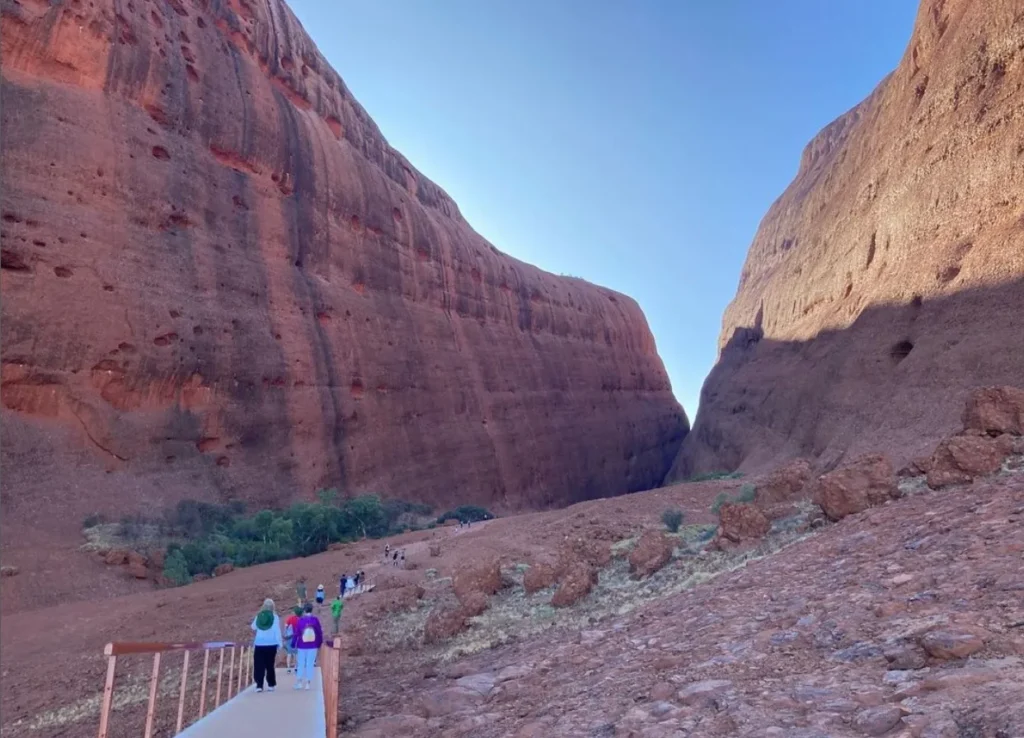
Adjacent to Uluru, Kata Tjuta (also called Olgas) presents different challenges to photographic ones on this site. The landscape here consists of large rounded domes while some of its valleys such as Walpa Gorge and Kantju Gorge offer cool retreats amidst open skies and flat desert surrounding the Rock itself.The rough texture of these formations has to do with manipulation between light and shadow; thus, early morning or late afternoon are better times for photography.
Bird’s Eye View
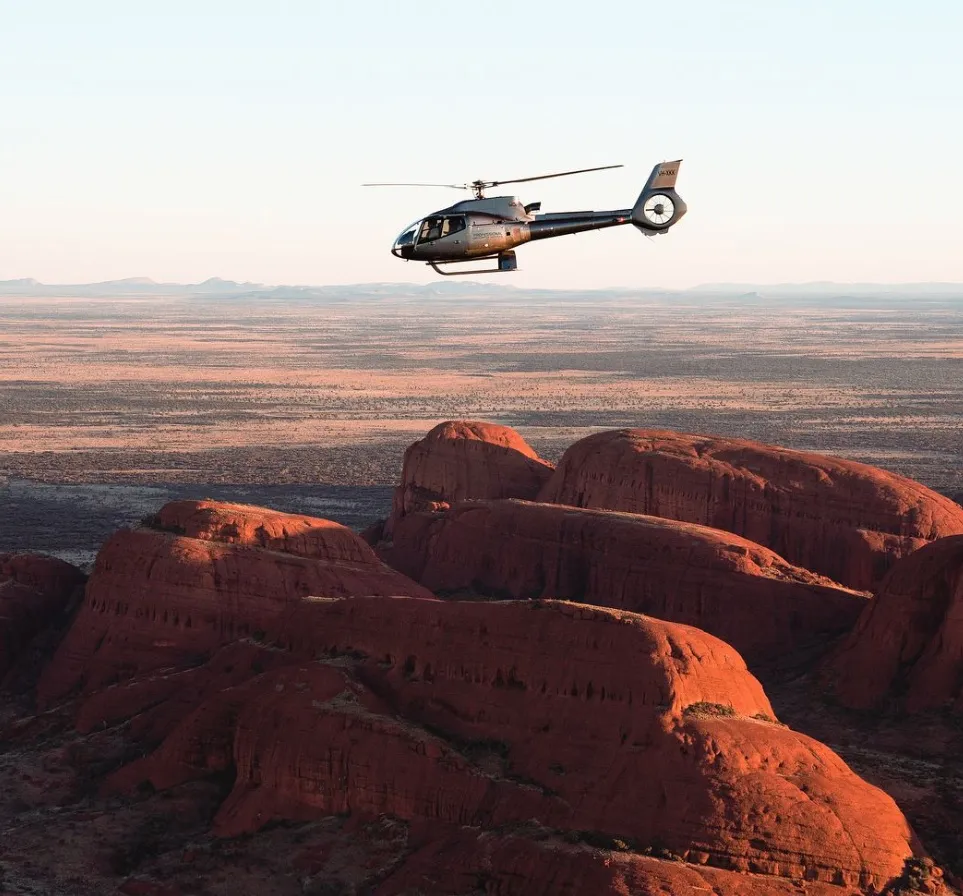
For those with a desire to capture Uluru from a unique perspective, scenic flights provide unrivalled bird-eye view. The aerial photography on Uluru and its surrounding desert is magnificent, with the shots of the panorama being impossible to achieve on foot.
The Viewing Platforms
Though without a doubt Uluru is the star, viewing platforms in the park have been placed strategically so as to give the best possible photographic angles. One of the most popular places is at dawn which you see sun coming up behind Uluru casting long dramatic shadows that reveal rock details.
Here’s a quick rundown of these platforms and what they offer:
| Platform Name | Best Time to Visit | Special Features |
|---|---|---|
| Talinguru Nyakunytjaku | Sunrise | Panoramic views, fewer crowds |
| Sunset Viewing Area | Sunset | It is ideal for capturing changing colours |
| Kata Tjuta Dune Viewing | Early Morning | Great for landscape photography |
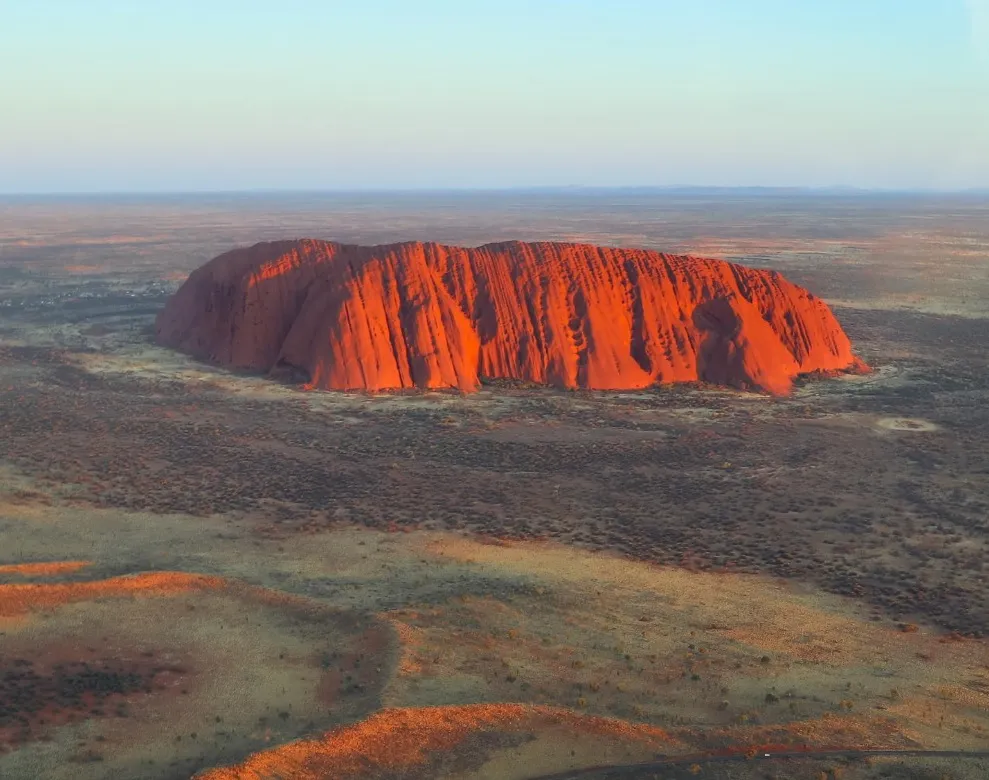
Every one of these platforms presents yet another different angle and photo opportunity on site, ensuring that enthusiasts and experts in photography alike have quite a number of options at their disposal.
Advanced Photography Techniques
Taking photos around Uluru provides the perfect opportunity to use various forms of advanced photography techniques. For example, one can use filters to make sunrise more beautiful or try out long exposures under stars; there are countless ways through which you can enhance your photography skills here.
Использование дронов
However cool drone photographs look like when taken from above, many people do not realize that drones are restricted within this park. Always check the latest park guidelines before planning your shoot. This will ensure you respect both legal aspects as well cultural sensitivities since some parts of the park serve as sacred sites for traditional owners.
This first half lays down the groundwork for understanding when and where it is best to capture images of Uluru, including thoughts on utilizing sophisticated methods. Going ahead, we shall look deeper into specific elements of taking pictures and cultural requirements so that you can obtain stunning pictures without hurting the natural environment and the land’s indigenous people.
Astrophotography
Night brings a new dimension to Uluru. The park is located in a remote area making light pollution minimal, and thus providing an excellent place for night sky shots. The park after dark is perfect for those who want to shoot the Milky Way or watch stars dance across the sky. And don’t forget that shooting star trails requires patience and precision—by using a firm tripod and long exposure settings one can be able to effectively capture this slow movement of stars overhead.
General Photography Tips
Whether you are an amateur photographer just starting out or a professional one, here are some general tips to improve your photography at Uluru:
- Lighting: Soft lighting occurs in the early mornings and late evenings when it enhances the natural colours of Uluru.
- Equipment: Because the conditions are so harsh, protection devices for your camera will be needed. Lens covers come in handy as dust here is a really huge issue; cleaning kits, too!
These basics should help you make the most out of your photo sessions so that you can not only take sharp images but also return home with your equipment intact.
Distinctive Photos of Uluru
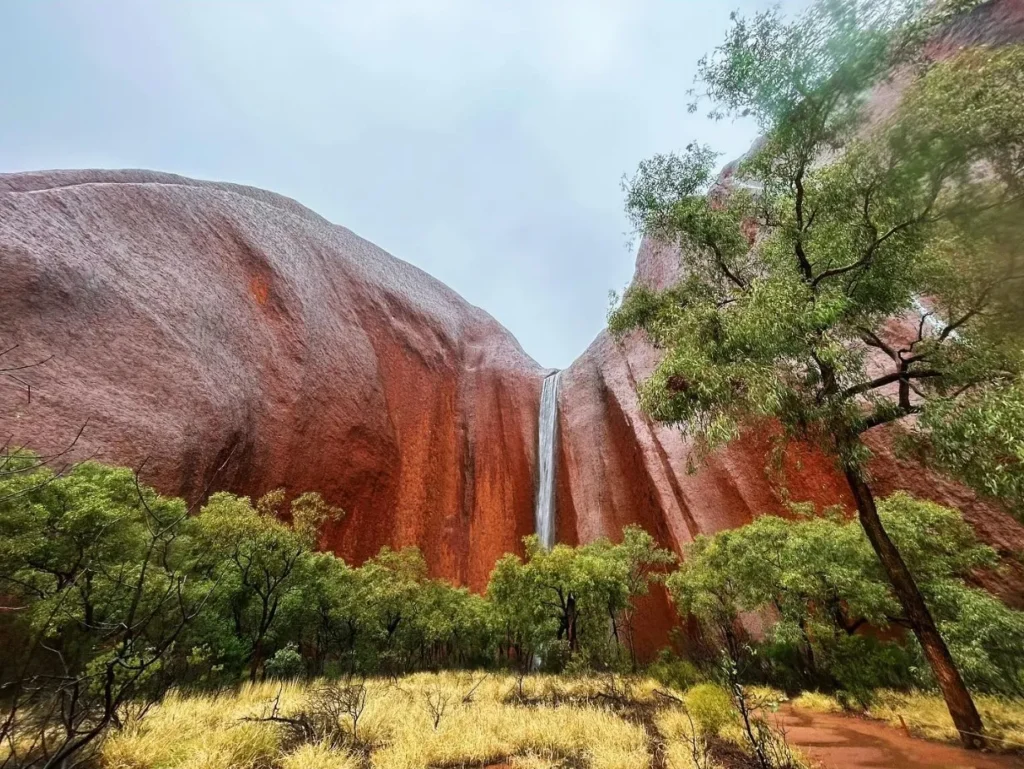
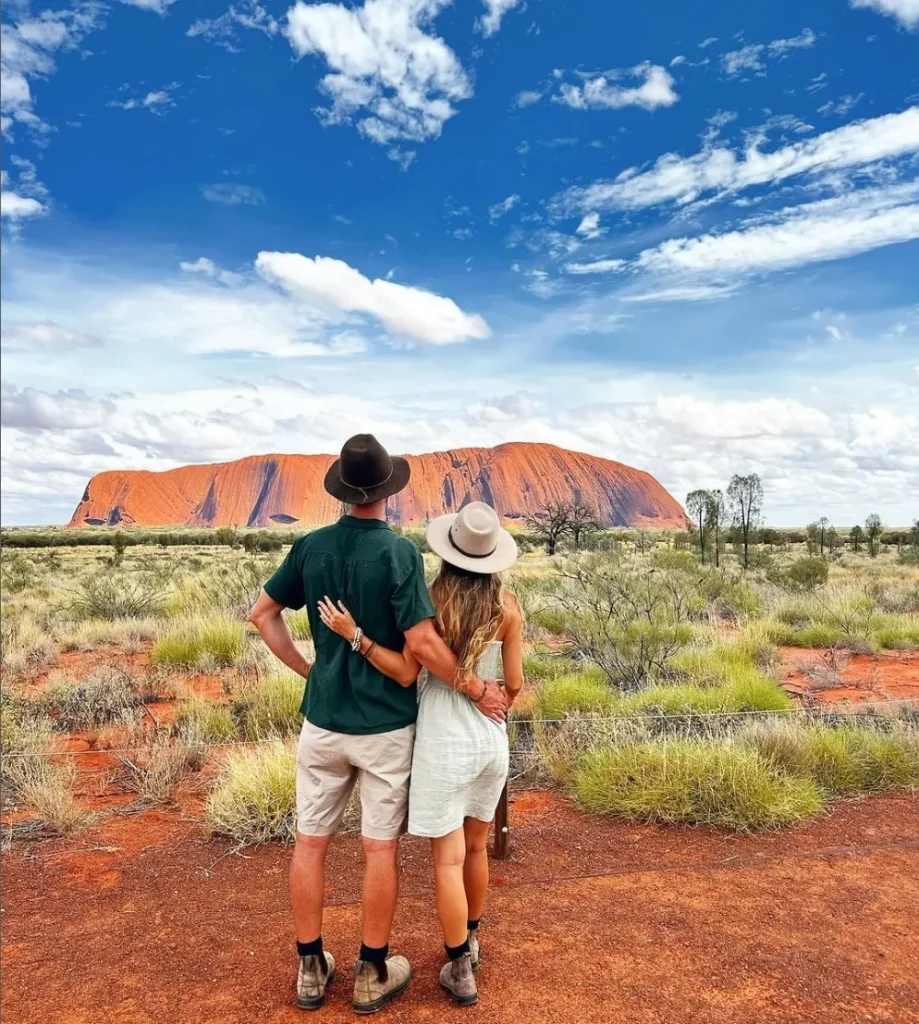
It is always a great idea to take your camera and head off to Uluru, especially when you opt for less familiar angles. For example, the best spots like sunset viewing platforms may provide iconic shots but wandering around Uluru’s base can reveal small secrets about its rocky crusts including the texture of this stone, how various sunbeams fall on it thereby affecting its color. This way, one diversifies his/her portfolio while developing a deeper connection with this marvellous wonder.
Viewing Platforms
Photography platforms constructed at Uluru are strategically designed to offer photographers the best views while maintaining cultural boundaries within the site. Each platform has a distinct view:
- Sunrise Viewing Area: Capture the first rays as they illuminate Ayers Rock.
- Sunset Viewing Area: Ideal for observing the changing colours during the golden and blue hours.
These platforms ensure you are well-positioned to capture the majesty of Uluru while adhering to park guidelines and respecting the site’s cultural importance.
Conclusion
Taking photographs that capture what Ayers Rock is all about involves more than just clicking at an opportune moment; it entails living and respecting history. As photographers we owe respect towards Uluru by following rules that conserve its purity and reverence. Whether shooting wide-angle landscapes or intricate details, remember that this sacred symbol has stood through time immemorial in honor of its traditional owners. Let us maintain our current status quo so that our pictures will always be full of praise towards this wonderful monument.
FAQ
Which is the best time of year for photography at Uluru?
Answer: The cool months from May to September have clear skies and pleasant temperatures suitable for taking photos.
Can I take photos anywhere in Uluru?
Answer: Yes, there are some regions in which snapping images is restricted because the privacy rights and cultural values of Indigenous people should not be violated by photography enthusiasts here.
What do I need for my trip to Uluru as a photographer?
Answer: Ensure that you have brought along various lenses for different perspectives, protective gear for your equipment, and sufficient water and sunscreen.
Can I do night photography in Uluru without a professional guide?
Answer: Yes, you must comply with the park rules on night access and be equipped to travel at night safely.
What safety precautions should one take while photographing in the outback?
Answer: Stay hydrated at all times, protect yourself from the sun, watch out for wildlife around you, and honour cultural restrictions and guidance.
What is the best Uluru tour for photographer?
For photographers aiming to capture the stunning beauty of Uluru, the “Wayoutback – Uluru Photography Tour” is highly recommended. This Uluru tour is specifically tailored for photography enthusiasts and takes place during sunrise or sunset when the lighting conditions are ideal for photography. Guided by a professional photographer, participants can learn tips and techniques for shooting landscapes while exploring the best vantage points around Uluru to capture its magnificent colors and shadows. This tour offers a blend of technical guidance and unique access to some of the most photogenic spots in the area.