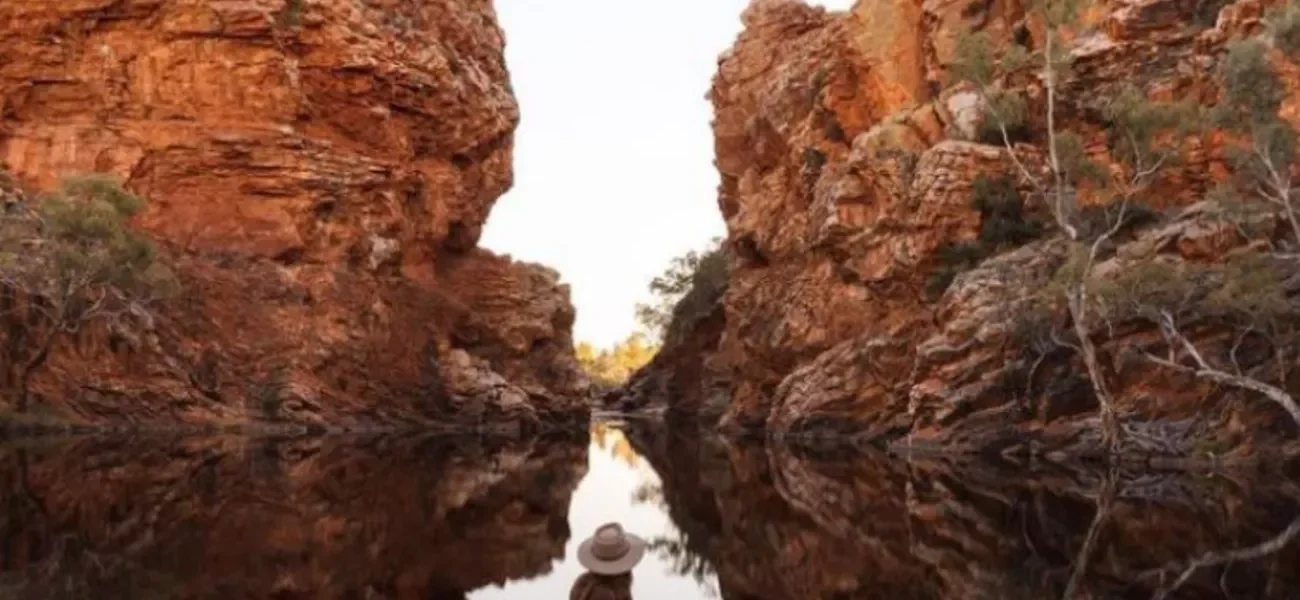

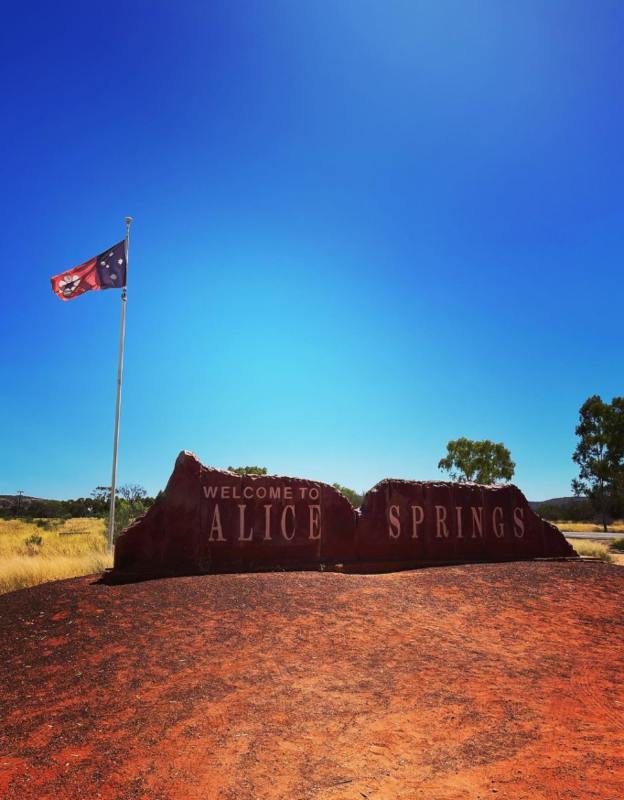
Where is the town of Alice Springs located?
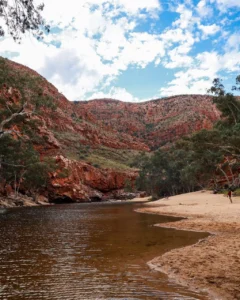
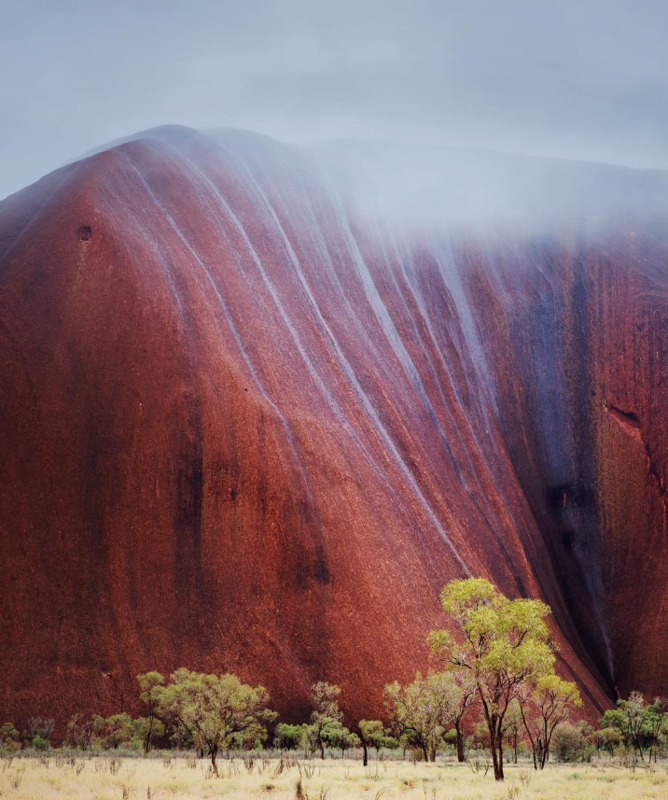
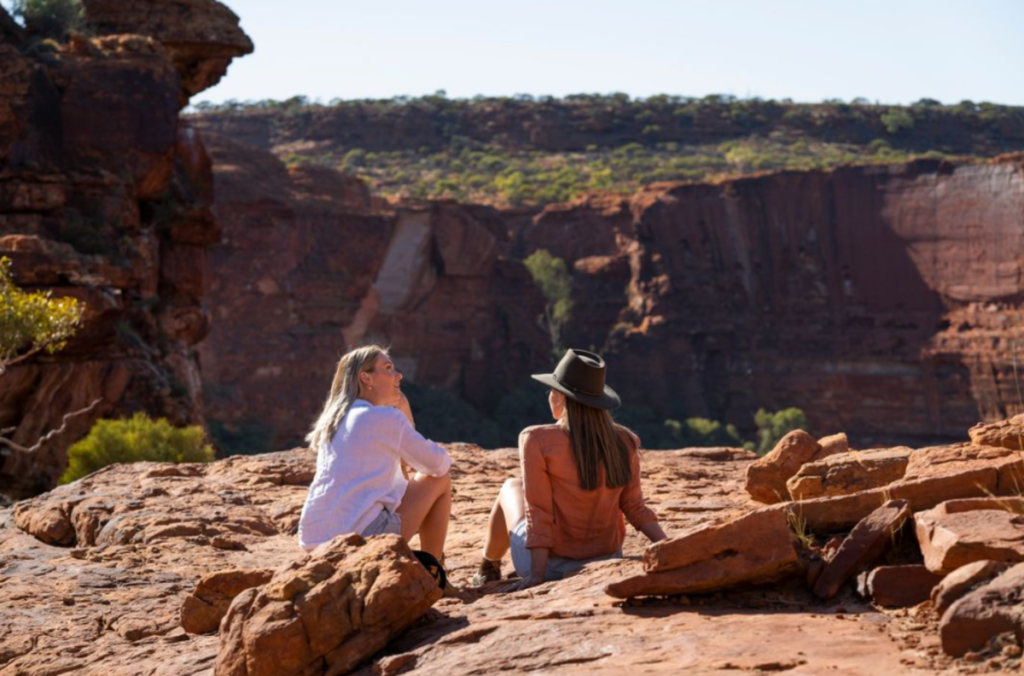
Alice Springs is a small town of about 30,000 people in the centre of Australia. It is sometimes referred to as the ‘heart’ of Australia because, apart from its location, it fully embodies traditional Australia with its desert, Outback, farms and the beauty of wild but rugged nature. Alice Springs is also considered Australia’s Red Centre, being the main ‘port o’ call’ for visiting such beautiful and famous Australian attractions as Kings Canyon, Mount Uluru and Mount Kata Tjuta, the Ewaninga rock paintings Devil’s Balls and many other lesser-known natural beauties.
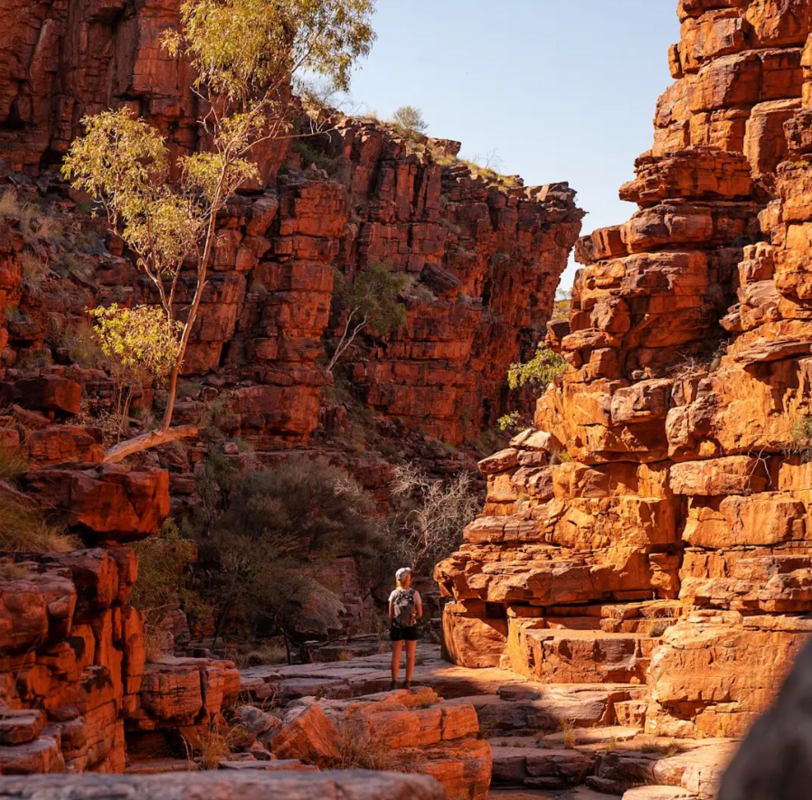
The Aboriginal people of the Arrente tribal group settled in the desert of central Australia and around Alice Springs at least 50,000 years ago. The Aboriginal name for the area around Alice Springs is ‘Mpa’nthwa‘. This Aboriginal “action was divided into three groups: the Western, Eastern and Central tribes who inhabited the central part of the Australian mainland, including where Alice Springs is now and the nearby McDonnell mountain ranges. It is not without reason that there are many places around Alice Springs with well-preserved Aboriginal rock paintings of great religious and philosophical significance to the indigenous people of the land. The lands around Alice Springs are rich in mountain ranges, water lagoons, and red gorges. According to the Aboriginal beliefs and traditional stories of the Arrente people, the entire landscape in the centre of Australia and around Alice Springs was created by ancient giant caterpillars, wild dogs, wandering boys, sisters, kangaroos and other characters. Many Aboriginal rock paintings depict these characters and convey the content of Aboriginal beliefs and stories. Many Aboriginal people live around Alice Springs and in the town itself in different communities and settlements, and there are many places of importance to local Aboriginal people in the area, most of which are unknown to tourists and the uninitiated.
Alice Springs is an oasis amid a seemingly lifeless semi-desert and a centre of civilisation for many local Aboriginal people and even white Australians living in this part of desert Australia. It is perhaps the centre of Australia’s stock, and it is from here that many famous adventurous adventures began. Many exciting trips into the true Outback of Australia still start from here. It is not for nothing that all Australians call this town the ‘heart’ of the Outback.
The town of Alice Springs owes its birth to a telegraph relay station established here in 1872. Many people often think that the city owes its name to the fairy tale ‘Alice in Wonderland” or the song ‘Living Next Door t’ Alice’ by Smokie; in reality, everything is much more trivial: the town was named after the wife of the chief postmaster of South Australia, who supervised the construction of the first telegraph line through the centre of Australia. Charles Todd’s (the postmas Todd’s wife of the postmaster, and the town was honoured to bear her name).
Directions to Alice Springs
Alice Springs is a 17-hour drive from Darwin (1500 km in the very north of Australia) and 18 hours from Adelaide on the Stuart Highway, which runs through the centre of Australia. The highway is tarmac and in good condition but not fenced on the sides. Occasional cattle, kangaroos, dingoes, emus, wild camels, and horses frequent it. The distances between petrol stations can be long, the scenery is monotonous, and it is not recommended to drive here at night! It is here that the famous Australian road trains are often seen: long trucks consisting of several trailers, up to 52 metres long, sometimes carrying livestock in double-decker bodies! Most of the highways are not covered by mobile phones!
Alice Springs also has an airport connected by daily direct flights to many of Australia’s big cities: Darwin, Sydney, Melbourne, Australia, Cairns, Perth, and Uluru (Yulara).
To the surprise of many, Alice Springs also has a railway station where a train comes from Darwin and Adelaide several times a week. The Ghan (or Gan, a derivative of Afgan) passenger train is Australia’s version of the Orient Express, which was only established to run weekly services from Adelaide to Darwin via Alice Springs and back. Each one-way journey takes 3 days/2 nights (or sometimes 4 days/3 nights) and covers a distance of 2979 kilometres across Australia.
Discover the attractions in Alice Springs
In addition to the beautiful scenery, scarlet pointed cliffs, deep and narrow gorges, hidden lagoons and ancient Aboriginal rock art sites described above, there are other more traditional sites and attractions to see in Alice Springs:
The museum tells the natural history and evolution of central Australia and its natural environment, displaying unique specimens and artefacts, palaeontological finds such as the remains of an ancient giant freshwater crocodile or the world’s largest bird, Dromornis stirtoni, which lived here some eight world years ago, as well as examples of native mammals, reptiles and insects and even pieces of meteorites that fell near Alice Springs.
Here, you can see and listen to the playing of the oldest brass musical instrument, the didgeridoo, or ‘yigi yigi’ as the Aboriginal people call it. There are evening concerts in season, and you can also take a didgeridoo lesson for a small fee.
Alice Springs also has a casino, restaurants, bars, department stores, supermarkets, cafes, and many hotels.
Every year in mid-August, it hosts a most unusual event: a ‘Regatta’ on the dried-up Henley-on-Todd River. However, water rarely ‘appears ‘in this river, as Alice Springs is one of Australia’s driest places. So, instead of canoeing or boating on the river, teams of participants do speed runs along the dried-up river bed with boats and kayaks on their shoulders or arms! This fun event draws crowds of spectators, locals, and visiting tourists worldwide eager to watch this outlandish spectacle!
Alice Springs also hosts an equally famous annual horse race…. camel races! Every year in mid-July, local camel drivers and amateurs compete to see who can ride a camel the fastest and win the ‘Camel Cup’. This exciting competition is also open to all spectators for a small entrance fee.
There are also places in Alice Springs where you are guaranteed to see wild kangaroos and wallabies up close and personal and even lure and feed the wallabies from your hand. Still, we will not disclose these places and leave them as a highlight of our tours from Alice Springs to Uluru with a Ukrainian guide from the Red Centre of Australia.
If you are going to Australia and you desire to visit the Red Centre and Alice Springs, drive on dirt roads through the Australian desert, see the Royal Canyon, and visit many other unique points in the Red Centre, book with me one of the tours with a Ukrainian guide to Ayers Rock and the Red Centre from Alice Springs or Uluru!
I will help you with your plans and itinerary, prepare and guide you through the Red Centre, accompany you, tell and show you, keep you safe and take photos or videos of all your adventures! I will also organise a personal and exclusive sunset meeting at Mount Uluru and Kings Canyon with a mini buffet and Australian wine or champagne. It’s an experience not to be forgotten!
So, a tour from Alice Springs to Uluru is one of the best options for seeing all the tourist attractions in two or three days without any rush. All you need to do is book your car and make the trip alone or use a tour operator who has been operating this itinerary for over 27 years.