
October, a month when the sweltering heat of summer gives way to the soothing chills of early winter, is a time when many choose to set forth on their travel escapades. With summer crowds dissipating and the allure of serene getaways beckoning, the question that often looms large is: where to go? Two destinations that frequently pop up on the global traveler’s radar are Tunisia and Turkey. Both nations, steeped in history and shimmering with unique cultural tapestries, present a myriad of opportunities to quench one’s wanderlust. But when the calendar page turns to October, which of these two offers a more compelling case for a visit?
Think about the sounds, sights, and smells that beckon you to a new place. Is it the alluring aroma of a local dish wafting through narrow streets, the awe-inspiring view of ancient ruins against a sunset backdrop, or perhaps the rhythmic beats of traditional music echoing through the night? Both Tunisia and Turkey boast all these experiences and more, making the decision anything but straightforward. As we embark on this comparative journey, let’s delve into what each destination brings to the table, especially during the transformative month of October.
But before we set out on this comparative odyssey, here’s a brief list to get us started:
- Historical Significance: Both countries are rich in history, boasting ancient ruins, iconic landmarks, and museums that tell tales of bygone eras.
- Geographical Diversity: From sweeping beaches to towering mountains, both Tunisia and Turkey offer varied landscapes that cater to all kinds of travelers.
- Cultural Extravaganza: With their unique traditions, festivals, and customs, these countries offer a deep dive into cultures that have been shaped over millennia.
- Gastronomic Adventures: Foodies, brace yourselves! The culinary delights of both nations are sure to tantalize your taste buds.
- Affordability: For those on a budget, knowing where your money takes you further can be a crucial factor in deciding your destination.
As we peel back the layers of these two fascinating destinations, we’ll weigh the pros and cons of each, drawing from their climate, attractions, culinary offerings, costs, and the unique experiences they promise. By the end of this exploration, our aim is to provide you with a clearer picture, helping you decide whether to wander through the bustling bazaars of Istanbul or soak in the serene vibes of Tunisian beaches this October. So, buckle up and let the journey begin!
Comparing Climate & Weather
When considering a holiday in either Tunisia or Turkey in October, understanding the climate is paramount. After all, whether you’re dreaming of basking in the sun on a Mediterranean beach or exploring ancient ruins without the scorch of summer, weather plays a pivotal role in shaping those experiences. October, being a transitional month, often boasts pleasant weather in both countries. However, the nuances of the climate can make a difference depending on what you’re seeking.
Tunisia’s Weather
Tunisia, positioned on the northern tip of Africa and graced by the Mediterranean, experiences a varied climate. Coastal areas, including popular destinations like Tunis and Sidi Bou Said, offer mild and relatively rainy autumns. The temperatures are often balmy, with daytime averages ranging from 20°C to 25°C (68°F to 77°F). This makes it perfect for those wanting to enjoy beach activities without the intense summer heat. The southern parts, which include the Sahara desert, are warmer and drier, presenting an excellent opportunity for desert treks and star-gazing sessions.
Turkey’s Weather
Straddling both Europe and Asia, Turkey presents a more diverse climatic range. Coastal regions such as Antalya or Bodrum, much like their Tunisian counterparts, have Mediterranean climates with warm days and cool nights. However, as one moves inland to areas like Cappadocia or Ankara, the temperatures begin to drop, and the weather becomes more unpredictable with sporadic rain showers. Istanbul, the cultural heart of Turkey, sees temperatures from 15°C to 21°C (59°F to 70°F), with occasional rainfall adding a romantic touch to its historical edifices.
To present a clearer picture, here’s a table summarizing the average temperatures and rainfall in some key destinations:
Table: Weather Overview in October
| Destination | Average Temperature (°C) | Average Rainfall (mm) |
|---|---|---|
| Tunis (Tunisia) | 22.5°C | 50mm |
| Sahara (Tunisia) | 29°C | 5mm |
| Istanbul (Turkey) | 18°C | 90mm |
| Antalya (Turkey) | 23°C | 70mm |
While both countries offer comfortable weather in October, the choice boils down to personal preferences. If beach lounging and desert safaris are on your wishlist, Tunisia’s climate might be more appealing. However, if you’re drawn to the allure of misty historical sites, chilly evening walks, and a mix of coastal and inland experiences, Turkey stands out.
Regardless of the climatic details, both Tunisia and Turkey in October promise a respite from the summer crowds, providing an intimate experience with nature and culture against the backdrop of crisp autumn air.

Tourist Attractions and Activities
When it comes to attractions and activities, both Tunisia and Turkey serve as treasure troves of experiences waiting to be unearthed. Whether you’re an adrenaline junkie, a history buff, or someone in pursuit of serenity, there’s something for everyone in these captivating landscapes.
What to Do in Tunisia
Tunisia’s rich tapestry of history and culture paints a vivid picture for its visitors.
- Historical Sites:
- Carthage: Once the hub of the powerful Carthaginian Empire, the ruins of Carthage provide a glimpse into an ancient world of power and prestige.
- Medina of Tunis: A UNESCO World Heritage site, it’s a maze of narrow alleyways, bustling souks, and architectural marvels.
- El Djem Amphitheater: Reminiscent of the Roman Colosseum, this arena stands as a testament to Tunisia’s Roman past.
- Beaches and Relaxation:
- Djerba: Often referred to as the “Polynesia of the Mediterranean”, this island offers pristine beaches and crystal-clear waters.
- Hammamet: Known for its citrus groves and vibrant jasmine aroma, it’s a perfect spot for a seaside retreat.
What to Do in Turkey
Turkey, straddling two continents, offers a blend of East and West, ancient and modern.
- Vibrant Istanbul:
- Hagia Sophia: An architectural masterpiece, this monument has stood as both a church and a mosque during its storied past.
- Bosphorus Cruise: Sail between two continents and witness the magnificent skyline of Istanbul.
- Grand Bazaar: One of the world’s oldest and largest covered markets, it’s a sensory overload with its colors, sounds, and smells.
- Cappadocia Balloon Rides: Floating over the otherworldly landscapes of Cappadocia during sunrise is an experience of a lifetime. The rocky terrains, peppered with ancient cave churches and underground cities, look even more magical from the sky.
Culinary Experiences
Traveling is as much about tasting as it is about seeing. Both Tunisia and Turkey boast culinary traditions that have evolved over centuries, influenced by various civilizations that have traversed their lands.
Tunisian Delights
Tunisian cuisine is a melange of Mediterranean flavors, with a touch of African and Middle Eastern zest.
- Brik: A thin pastry wrapped around fillings like egg, capers, and tuna, then deep-fried to crispy perfection.
- Couscous: The national dish, it’s often served with lamb or fish and a spicy harissa sauce on the side.
- Makroud: A sweet treat made of semolina, dates, and honey, it’s a must-try for those with a sweet tooth.
Turkish Delicacies
Turkey’s gastronomic heritage is vast, spanning diverse regions and offering a palate of flavors.
- Kebabs: Whether it’s the Adana, Iskender, or the Shish kebab, the Turkish mastery over grilled meats is unparalleled.
- Baklava: Layers of flaky pastry, interspersed with nuts and sweetened with syrup or honey, make this dessert a favorite.
- Simit: Often dubbed the ‘Turkish bagel’, it’s a sesame-crusted bread ring, perfect for breakfast or as a snack.
To truly immerse oneself in the culinary landscape of these countries, one must venture beyond the tourist hotspots. Local eateries, bustling food markets, and street vendors offer authentic tastes, allowing travelers to savor the real essence of Tunisian and Turkish gastronomy.
Cost of Travel
Budget often dictates our travel choices. While both Tunisia and Turkey offer a range of experiences for luxury seekers and backpackers alike, understanding the cost of travel can help in making an informed decision. From accommodations and food to sightseeing and entertainment, let’s delve into a comparative analysis of travel expenses in these two countries.
Accommodation: Whether you’re looking for five-star luxury or a quaint bed and breakfast, both countries cater to every traveler’s pocket. Generally speaking, Tunisia tends to be a bit more affordable when it comes to hotel prices, especially outside of major tourist hubs. Turkey, with its wide range of offerings, can be both economical and extravagant, depending on the location and the choice of stay.
Food: Culinary experiences in both nations are not just about the taste but also the value. Street food in Turkey, with its array of kebabs and mezes, offers a delectable experience without burning a hole in your pocket. Tunisia, with its rich Mediterranean flavors, is equally affordable, especially when dining at local eateries.
Transportation: Turkey’s vast landscape means that domestic flights can sometimes be the most time-efficient way to travel between major cities, though buses and trains offer more budget-friendly alternatives. Tunisia, being smaller in size, boasts a comprehensive bus network, making land travel both cost-effective and convenient.
Activities: From hot air ballooning in Cappadocia to exploring the ruins of Carthage, activities in both countries come with varied price tags. While certain experiences might be pricier, there are always budget-friendly or even free alternatives to explore.
To offer a clearer perspective, the table below provides an average daily cost for a mid-range traveler in both countries:
Table: Average Daily Costs for Mid-Range Traveler
| Expense Category | Tunisia (USD) | Turkey (USD) |
|---|---|---|
| Accommodation | $40 | $60 |
| Food & Dining | $20 | $30 |
| Transportation | $10 | $20 |
| Activities & Sightseeing | $30 | $40 |
| Total | $100 | $150 |
It’s worth noting that these figures can fluctuate based on individual preferences, travel style, and seasonal factors. Furthermore, while Tunisia seems to be the more economical option on paper, the value derived from experiences in both countries is immeasurable.
When planning a trip, it’s essential to prioritize experiences and allocate the budget accordingly. Whether you’re strolling through the historic lanes of Istanbul, soaking in the sun on Tunisia’s golden beaches, or savoring the rich flavors of their cuisines, the memories created are truly priceless.
Cultural Experiences
Tunisia and Turkey, though geographically not too distant from each other, offer distinct cultural experiences rooted in millennia of history, influenced by various empires, religions, and trade routes.
Tunisian Tapestry
Tunisia’s culture is an intricate blend of Berber traditions, Phoenician heritage, Roman influences, and Arab-Muslim legacy. Wandering through the labyrinthine streets of its Medinas, one can’t help but feel transported to an era where traders and artisans exchanged not just goods but also ideas and philosophies. The traditional tunes of Malouf, originating from Andalusian music, echo in the background, narrating tales of love, loss, and longing.
The festivals in Tunisia, such as the International Festival of Carthage or the Sahara Festival in Douz, showcase a confluence of music, dance, and traditions that reflect the nation’s multicultural essence. While the country has embraced modernity, the customs and traditions, from birth ceremonies to weddings, remain deeply rooted in its ancestral past.
Turkish Tapestry
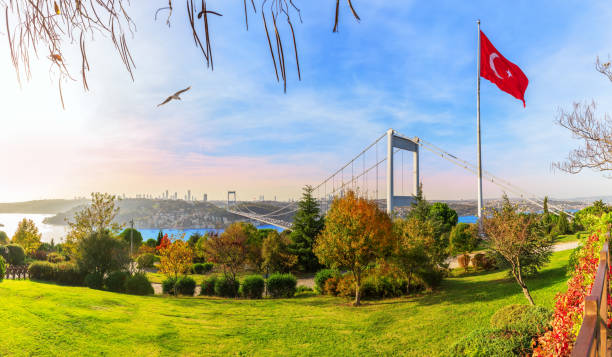
Turkey, straddling the continents of Europe and Asia, stands as a living testament to history’s ebb and flow. The Hagia Sophia, which transitioned from a cathedral to a mosque to a museum, symbolizes the rich cultural fusion that Turkey embodies. The hauntingly beautiful call to prayer, which resonates across the Bosphorus, mingles with the sounds of modernity, creating a symphony that’s uniquely Turkish.
Whirling dervishes, spinning in spiritual ecstasy, embody the mysticism of Sufi traditions. The folktales narrated by Karagöz and Hacivat, traditional shadow play characters, entertain while subtly commenting on society’s nuances. From its bustling bazaars where the art of haggling is practiced to its Turkish baths that rejuvenate the soul, Turkey offers a cultural immersion like no other.
Conclusion
Choosing between Tunisia and Turkey for an October getaway is akin to selecting between two enthralling books – each tells a captivating story, with twists, turns, and tales that linger long after the last page is turned. While Tunisia offers an intimate exploration of North African charm mixed with Mediterranean elegance, Turkey presents a grand epic where east meets west, and history converses with the present. Ultimately, the choice is subjective, influenced by personal preferences, desired experiences, and, of course, the wanderlust that stirs within.
FAQs
- Which country is more accessible for English-speaking tourists?
- Both countries cater to international tourists, with many signs in English and locals, especially in the tourist hubs, speaking the language. However, Turkey, due to its larger influx of English-speaking tourists, might have a slight edge in terms of accessibility.
- Are both countries safe for solo travelers?
- Yes, both Tunisia and Turkey are generally safe for solo travelers. However, like any destination, it’s essential to take basic precautions, be aware of your surroundings, and respect local customs and traditions.
- What kind of power plugs and voltage are used in both countries?
- Tunisia uses the European-style two-pin plug (Type C and E) with a standard voltage of 230V. Turkey primarily uses the European two-pin plug (Type F) with a voltage of 220V.
- Can I use credit cards widely in both nations?
- Credit cards are accepted in most hotels, restaurants, and shops in the major cities and tourist spots of both countries. However, it’s always advisable to carry some cash, especially when visiting smaller towns or shopping in local markets.
- Do I need a visa to visit Tunisia and Turkey?
- Visa requirements vary based on nationality. Many visitors can get a visa on arrival or e-visa for Turkey, while several nationalities can enter Tunisia visa-free for short stays. It’s always best to check with respective consulates or official visa portals before planning your trip.