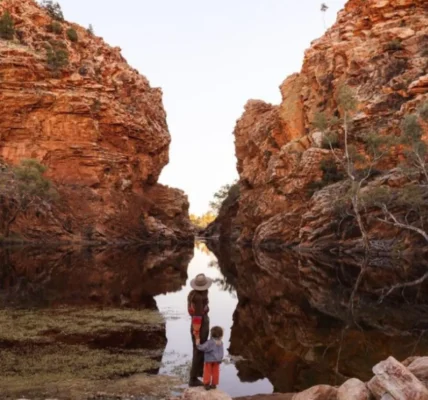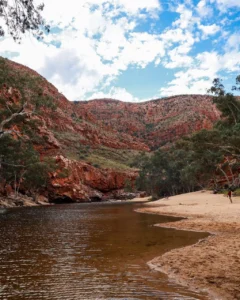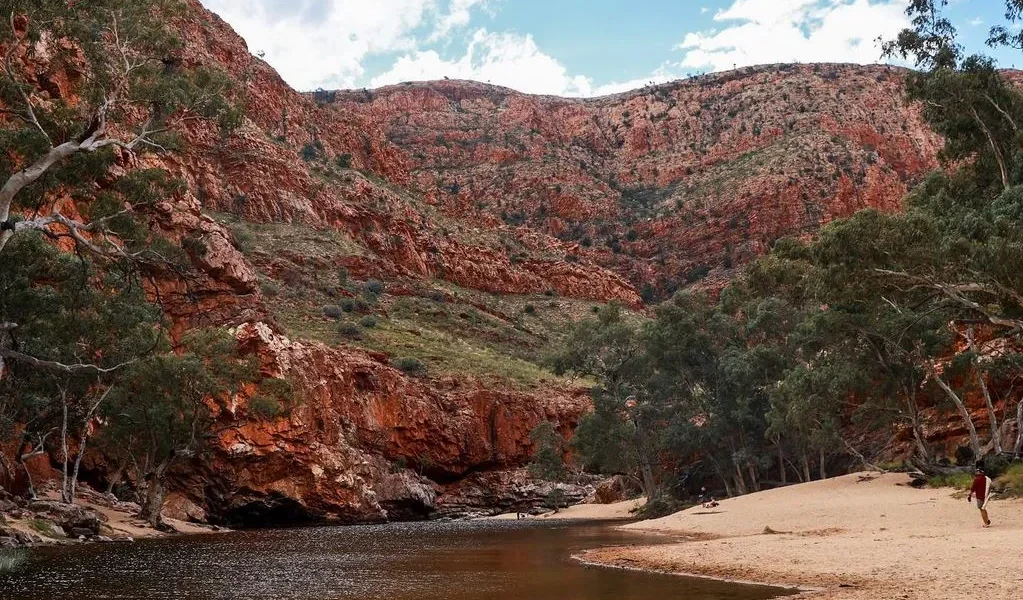

Planting my boots in the red ochre dust and I’m taken straight back to that first morning stumbling into the Alice Springs Telegraph Station after finishing the full Larapinta Trail across the West MacDonnell Ranges. It instantly brings back memories of wobbling in after doing a gruelling, rocky slog past Standley Chasm, Ormiston Gorge and all the way out to Redbank Gorge under the shadow of Mount Sonder. I’d just come off a particularly nasty section – and I moved like a battered Yellow-footed rock wallaby that’d taken on a road train and come off second best.
If you’ve ever hobbled down Razorback Ridge, crawled on hands and knees through the boulders of Hugh Gorge or struggled up Euro Ridge with legs that felt like jelly, then you already know: recovery from the Larapinta Trail isn’t as simple as ‘x’ number of days. It’s all about the distance you walked, the heat you put up with, the camp sites you slept in, the terrain that chewed you up and spat you out, water tank levels and the general mood Central Australia decided to throw at you.
Let’s break it down, but keep it real – practical, honest and straight from the heart.
The Truth About Post-Hike Recovery
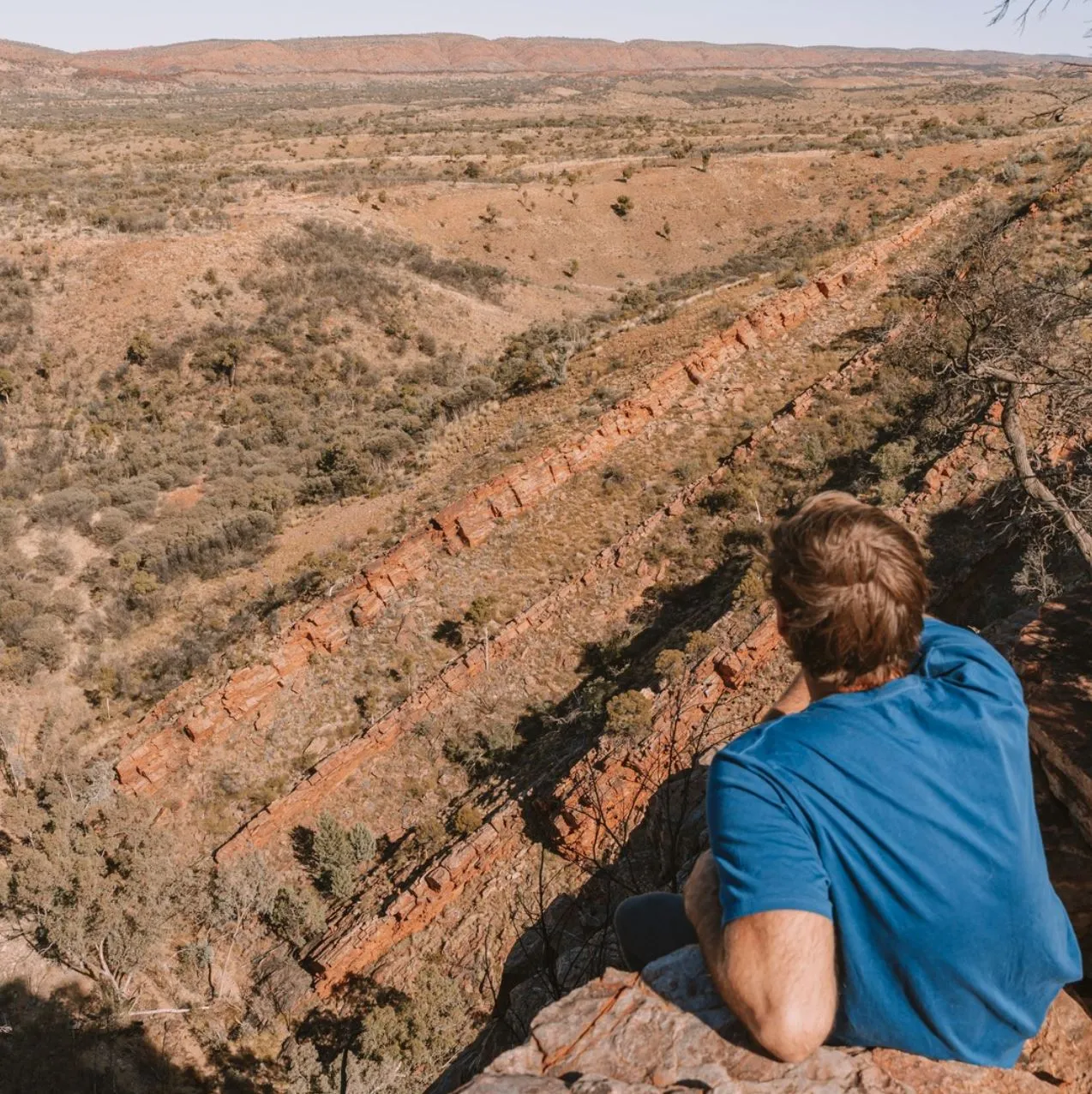
You don’t just walk the Larapinta Trail – you fight your way through it. Those quartzite ridges, long distances between water tanks, and exposed sections across the West MacDonnell National Park will pound your muscles and keep you guessing. Whether you’re tackling Serpentine Gorge, Jay Creek, Brinkley Bluff, Birthday Waterhole or Ellery Creek South, you’re facing tough terrain every single day.
Muscle Fatigue, Sand Walking & Slow Rehydration
The Larapinta does its best to torment your body with:
- Steep climbs like the ones up Counts Point, Hilltop Lookout and Brinkley Bluff
- Boulder scrambles like Hugh Gorge, Inarlanga Pass and Rocky Gully
- Riverbed sand like the Finke River near Glen Helen
- Sharp quartzite on the Heavitree Range and Razorback Ridge
Most hikers will deal with:
- Soreness peaking around 48–72 hours
- General fatigue for 4–7 days
- Legs getting better in 7–14 days
- Full body recovery takes 2–4 weeks for end-to-end hikers
If you lugged heavy food drops, tackled wilderness camping or went unsupported, you can expect to take a bit longer to recover.
How Long Does It Take to Bounce Back After a Tough Trail
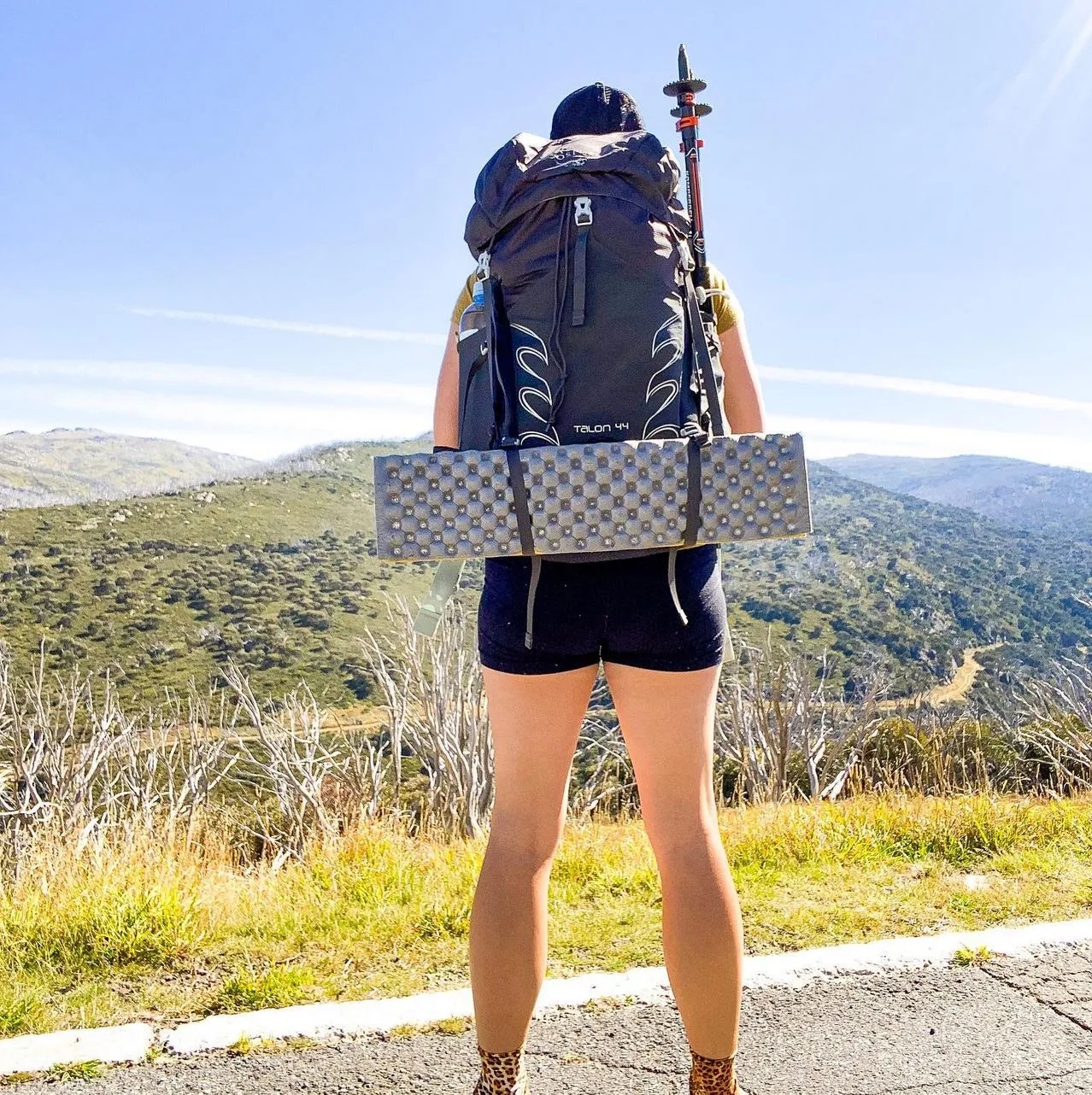
Below is a pretty realistic timeline I’ve gathered from hikers around Central Australia – from solo walkers to groups with Larapinta Trail Trek Support‘s high-clearance four-wheel drives.
Larapinta Recovery Table
| Trail Section | Kilometres | Terrain Notes | Typical Recovery |
|---|---|---|---|
| Simpson’s Gap → Jay Creek (Sections 1–3) | ~40 km | Euro Ridge, Wallaby Gap | 3–5 days |
| Telegraph Station → Serpentine Gorge (1–6) | ~110 km | Standley Chasm, Razorback Ridge | 7–14 days |
| Serpentine Gorge → Redbank Gorge (7–12) | ~113 km | Rocky Gully, Counts Point, Ochre Pits | 10–16 days |
| Full Larapinta Trail (End-to-End) | 223 km | Entire West MacDonnell Ranges | 2–4 weeks |
| Extra-hard itineraries | — | Sonder sunrise + heat + big pack | 3–6 weeks |
By the time you trudge your way past Glen Helen Gorge or stumble backwards into Ellery Creek Big Hole for a much-needed swim, your body will be screaming at you just to slow down.
Why Full Recovery From a Long-Distance Hike Isn’t Instant
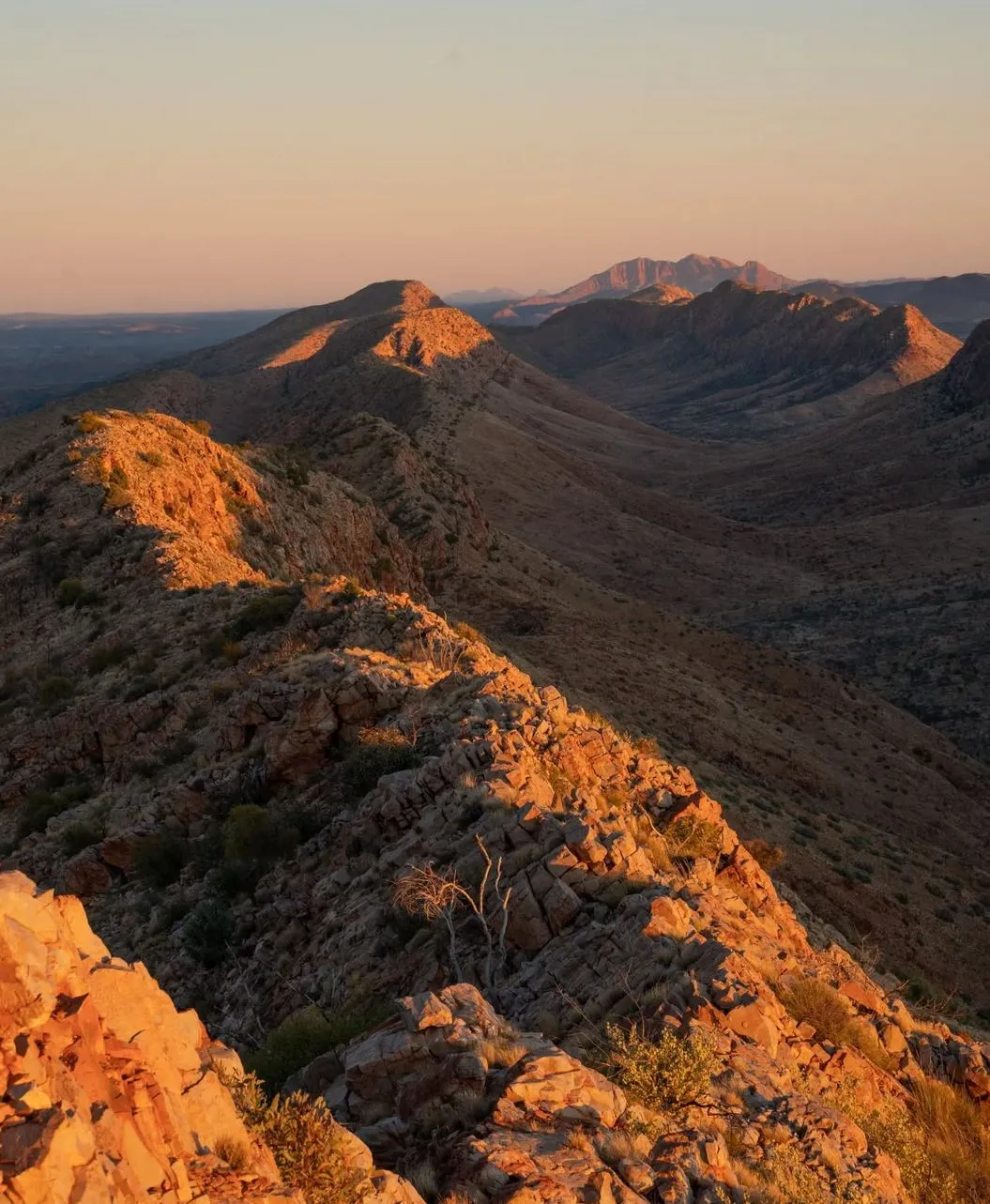
You might have managed to conquer the track, but the track has probably given as good as it’s got. Recovery isn’t just about how far you went – it’s about what all the lumps and bumps along the way did to you.
Heat & Dehydration Sneak Up On You Before You Even Know It
It’s winter, but in the NT, the days can still punch out 25–30 degrees Celsius. And with the water tanks at places like Serpentine Chalet Dam or Ellery Creek North being a long way apart, dehydration can creep in on you fast.
Watch out for:
- A dry mouth that no amount of Nuun tablets seems to shift
- A general lack of energy
- A pounding headache
- Not being able to sleep
You can chalk up hydration debt on your own, and it takes about 3 to 5 days to fully recover.
The Rocky Terrain Wrecks Your Stabiliser Muscles
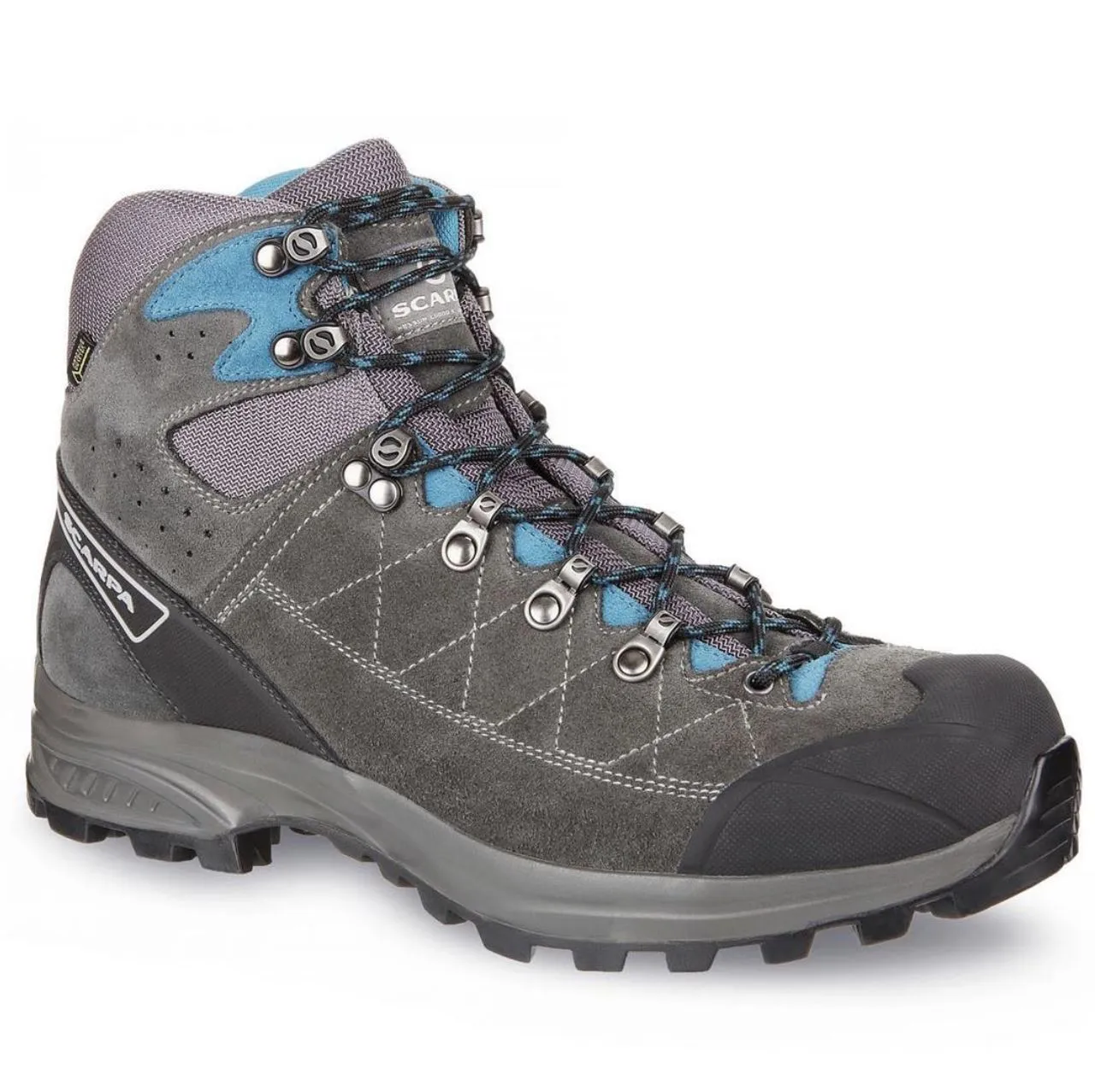
From the gully of Rocky Gully to the Hilltop Lookout above Ormiston Gorge. Your ankles and feet took one for the team.
The good news is that good gear can make a big difference:
- I mean, seriously, if you have Scarpa Kailash GTX boots, Wigwam Merino socks and some quality hiking poles, it can help.
Even so, sore feet and ankles can linger for up to a week.
The Weight of Your Pack & Food Drop Obligations
Food drops at Ormiston Gorge, Ellery Creek, Serpentine Gorge, or Glen Helen are a lifesaver – but the days between them can be pretty tough.
Carrying:
- 4 to 5 days‘ worth of food
- A Sea to Summit Basecamp II sleeping bag
- A Thermolite Reactor Extreme liner
- A fly net
- Your tent + water (sometimes 4–6 litres)
All adds up to you having a pretty heavy pack on your back, which slows your recovery big time.
Sleep Debt & Camp Fatigue
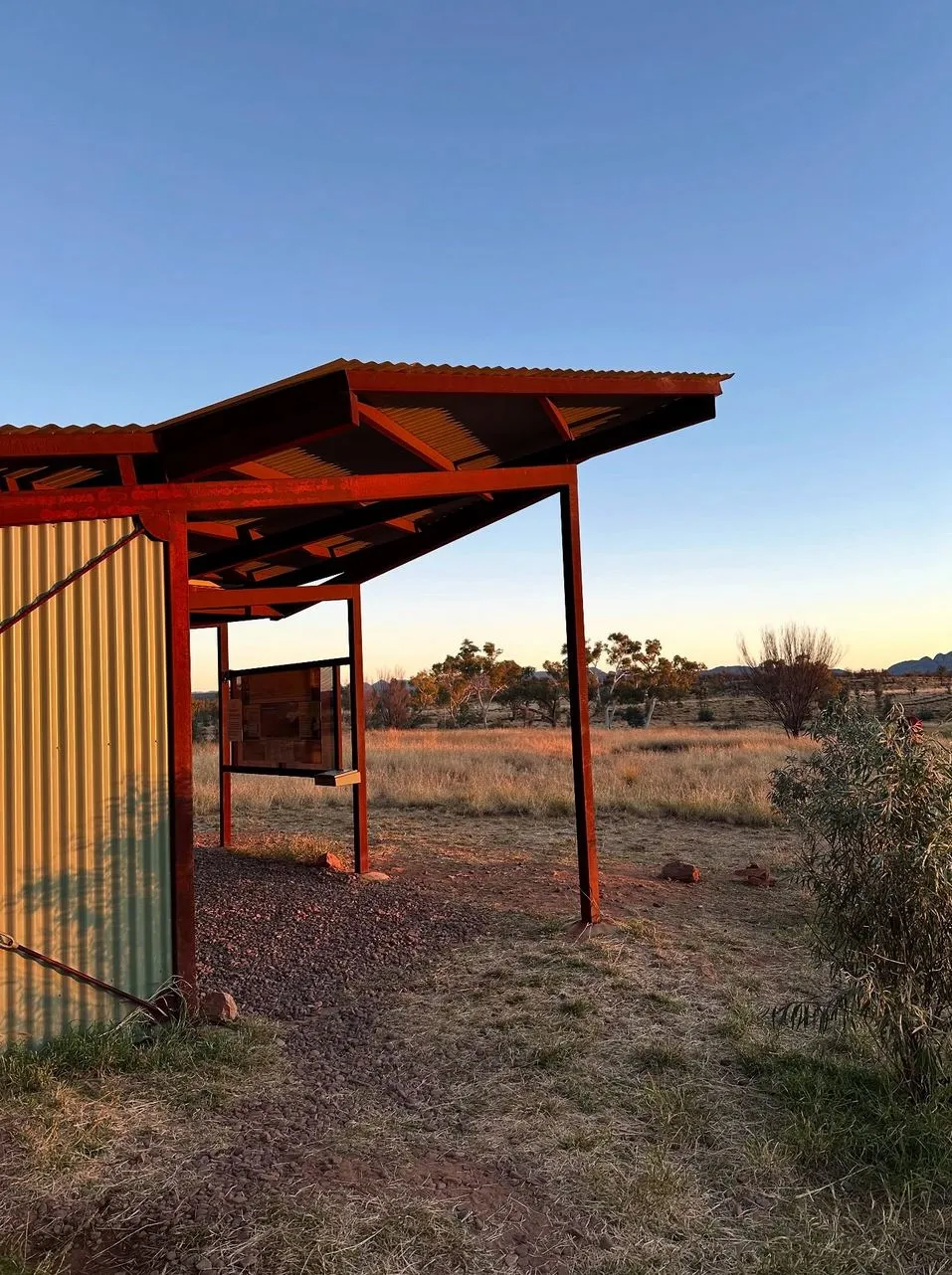
Camp sites like Miller’s Flat, Rock Waterhole or Fairy Springs are some of the most beautiful sights you’ll see – but they can also be:
- Freezing
- Blasted by the wind
- A nightmare to put a tent up on
Sleep disruption will cost you 2 to 3 days of extra recovery time.
Fast-Tracking Your Post-Hike Recovery
This is where smart choices beat toughing it out.
Hydrate Like It’s Your Life
In Alice Springs, drink water like you’ve been stuck out in the desert at Ellery Creek for a week with no resupply in sight.
Add the works to your hydration plan:
- Electrolytes (Nuun Active or Hydralyte)
- Salty meals to replenish what you lost in sweat
- Plenty of fruit and leafy greens to help your body rebound
And for goodness’ sake, try to avoid:
- Too much coffee – trust us, you don’t need that much of a jolt
- Beer as a ‘substitute’ for proper hydration – yeah, we’ve all had that moment, but it’s not a good idea
Walking Gently is Key
For your first few days back, take a gentle stroll of 2-4 km a day – and walk slow, no sprints up Mt Sonder. You’re not in a rush.
Your Feet Will Be Sore – But You Can Fix Them
After the Larapinta, your feet are going to look like they’ve been put through a wringer. Treat them right:
- Get those blisters sorted
- Give your poor heels some TLC to prevent cracked skin
- Deal with any nail trauma that came from trekking boots
- And for goodness’ sake, give your poor feet some relief from pressure points
Eat Like a Human Again
You’ve lived on dehydrated meals at Birthday Waterhole and Serpentine Gorge – it’s time to get back to eating food that actually tastes good.
Get back to normal with:
- A plate of veggies
- A nice piece of lean meat
- Some avocado to help you recover
- A handful of nuts to give you some energy
- And of course, some carbohydrates to help your body get back on its feet
Don’t Rush Back To Running – Seriously
Pounding the pavement too early is a surefire way to blow a knee, or worse.
Wait at least:
- 7-10 days if you did short sections
- 2-4 weeks if you did the whole Larapinta
What Really Happens After You Finish a Major Hike
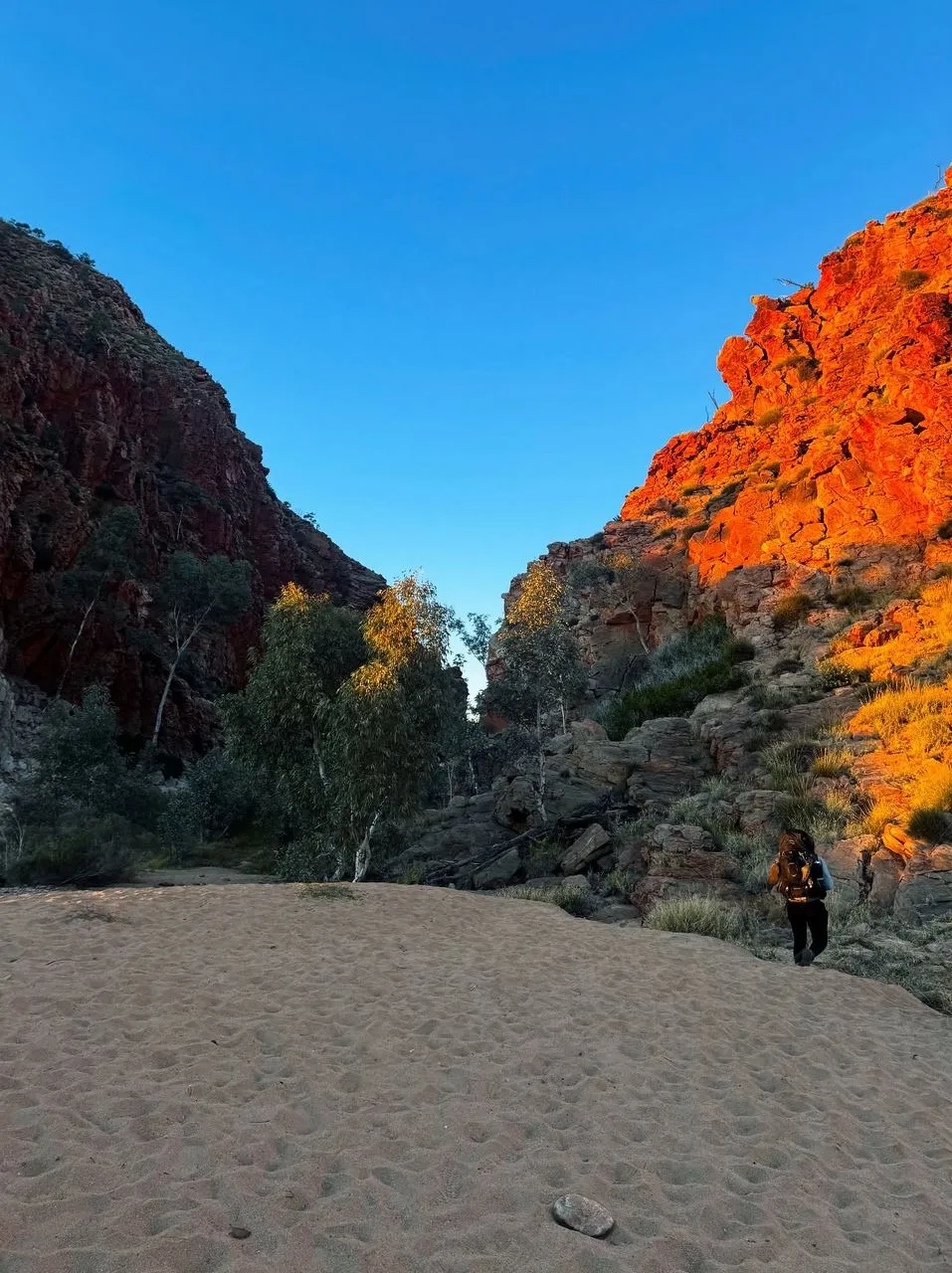
You’re not broken – you’re just human. Here’s what the trail does to you:
This is Pretty Normal
- Swollen ankles from all the walking
- Sore shoulders from carrying a pack all day
- Tender arches from all the rocks and rough terrain
- A groggy brain from all the long days
- Needing 10-12 hours of sleep a night (yep, that’s right)
- Feeling constantly hungry all the time
Keep an Eye Out For These Things
- Toe numbness that lasts longer than a week or two
- Sharp knee pain that won’t go away
- Excessive ankle swelling
- Signs of infection from all those blisters
(A quick note: stroke risk and blood clots are things hikers always ask about – but for most of us, normal post-hike fatigue is not a red flag unless it’s horrible and we’ve got other symptoms too)
If you need some advice on planning your next trip, prepping gear, or choosing between self-guided walks and a Larapinta Trail Trip, just reach out – I’m always updating my trail notes and swapping yarns with hikers who’ve just finished the West Macs.
My Own Recovery Story
My worst recovery ever was after 3 days from Serpentine Gorge to Redbank Gorge. I’d been rationing water after a hot day through Counts Point, slept badly at Miller’s Flat Campground, then climbed Mt Sonder (Mt Sonder if you prefer the shorter version) at 3 am.
I looked like a zombie when I got to the Redbank Gorge carpark.
Recovery time?
Just shy of three weeks before my legs stopped arguing with me
Central Australia takes its toll, but it gives you something back that’s hard to put into words. A kind of stillness. A quiet pride. And an appreciation for cold drinks and soft beds that’s almost spiritual.
FAQ
How Long Does It Take To Recover After The Larapinta
Typically 2-4 weeks – but that depends on heat, pack weight, terrain, and sleep.
Which Sections Cause the Most Recovery Pain?
Hugh Gorge, Rocky Gully, Razorback Ridge, Counts Point, and the push to Mount Sonder – those ones will get you.
Will Swimming at Ormiston Gorge Help Recovery?
Absolutely — cold water does wonders for swollen legs.
Do guided Larapinta trips help recovery?
Yes. Support staff, support vehicles and lighter packs mean fewer injuries and faster bounce-back.
Are self-guided walks harder to recover from?
Usually, yes. You carry more weight, manage your own food drops, and often walk longer days without rest.