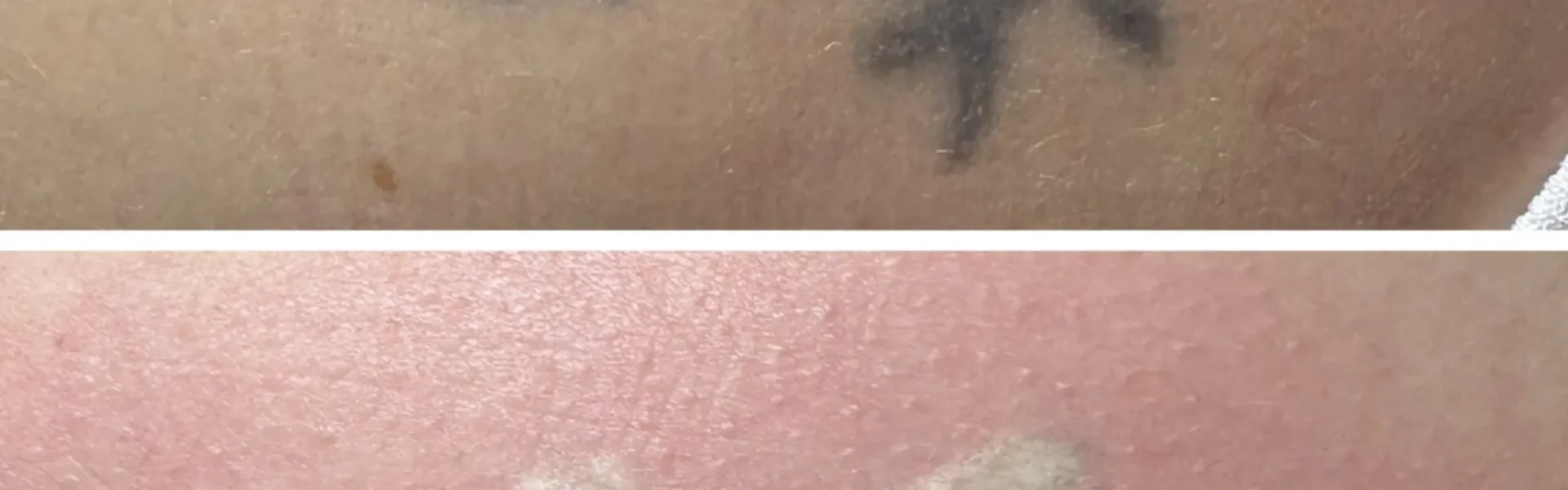

Tattoos are a form of self-expression but sometimes people change their minds and want to get them removed. One of the biggest concerns is whether tattoo removal leaves scars. The good news is that modern laser tattoo removal treatments, when done by a skilled professional or laser specialist, are designed to minimize the risk of scarring. But there are several factors that will affect the outcome: skin type, tattoo characteristics and aftercare instructions.
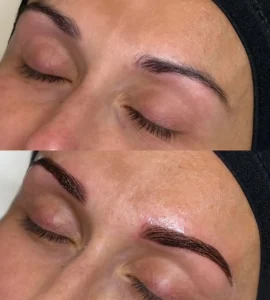
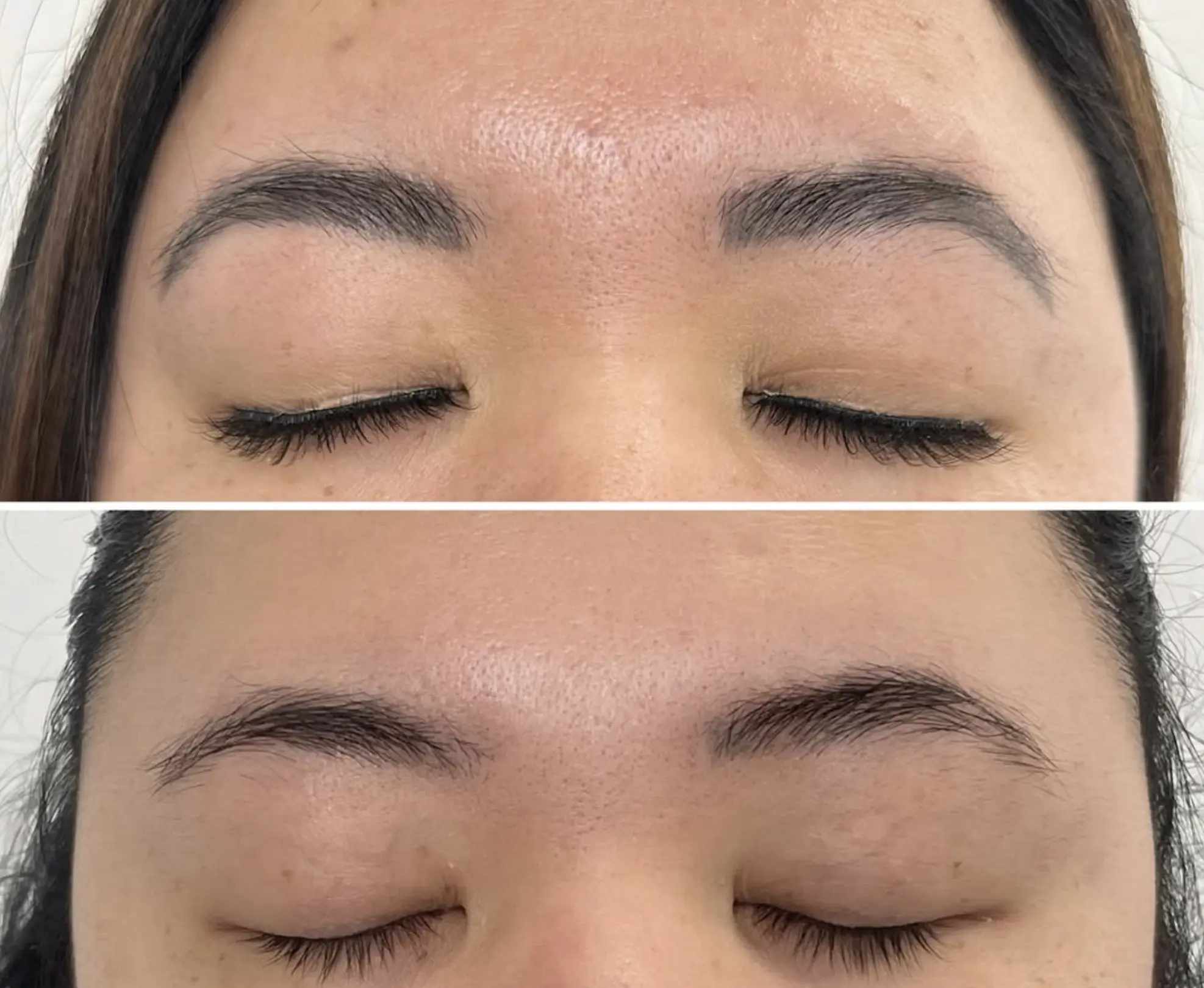
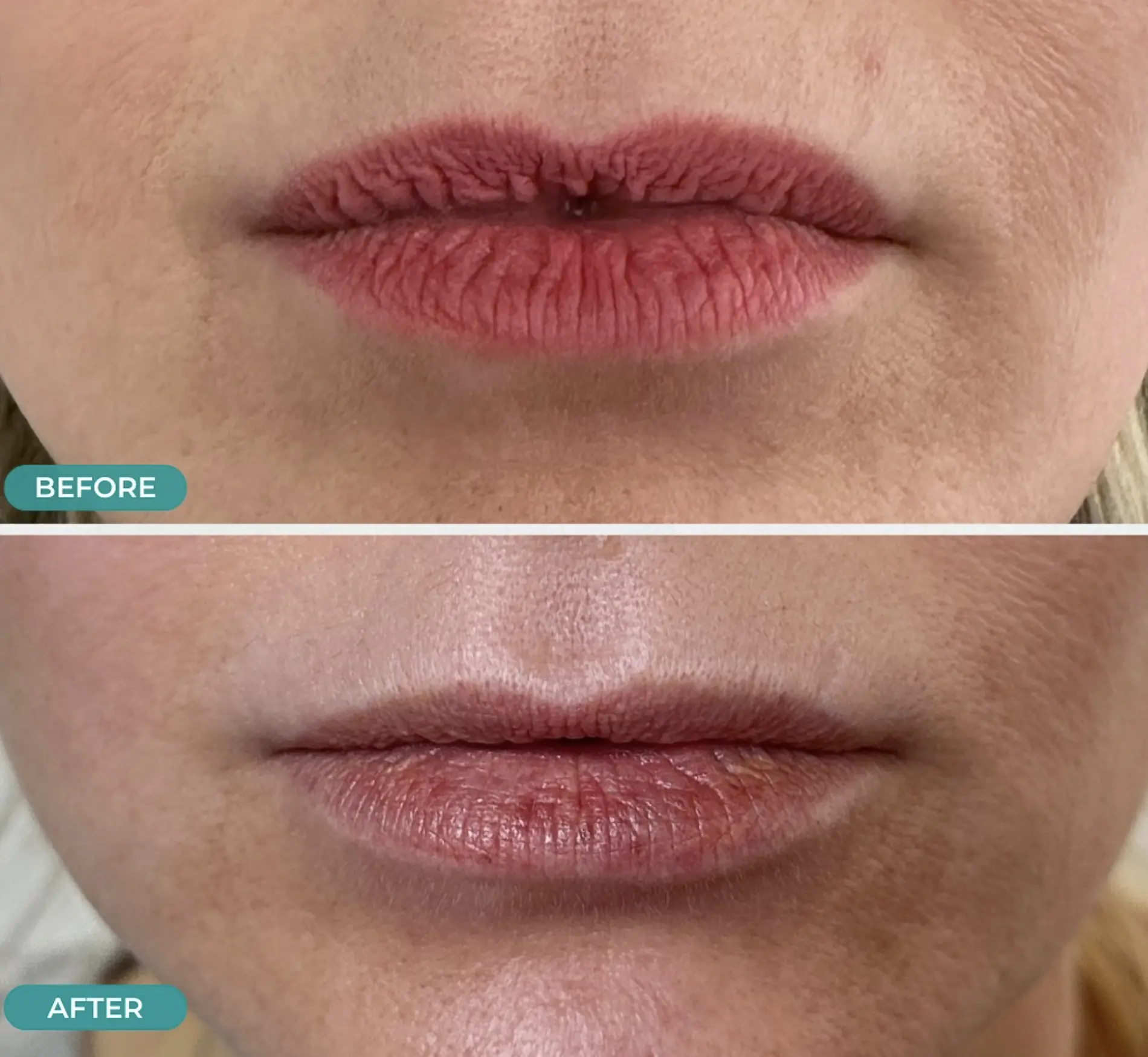
For people who have had cosmetic procedures like eyebrow tattoo removal, the concern about scarring is even higher. Since eyebrows are a highly visible facial feature, you want to make sure the removal process is done right for natural beauty and a clean even look. Eyebrow tattoo removal requires precision and expertise as the skin in this area is more sensitive and prone to irritation.
The Procedure
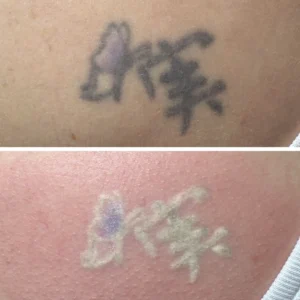
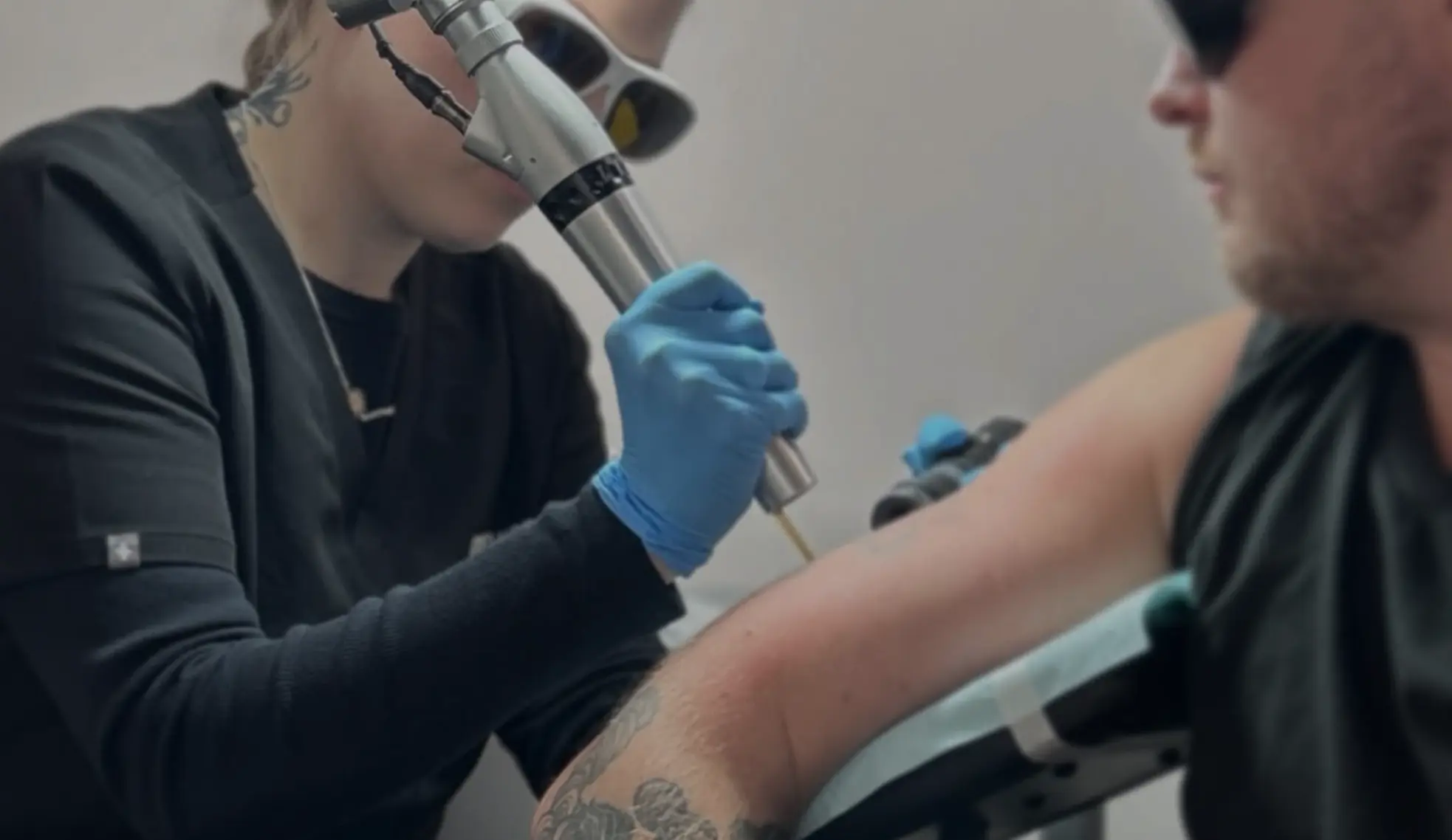
The removal process varies depending on the method used. Laser tattoo removal is the most effective method of tattoo removal, using high-intensity light beams to break down the ink particles without damaging the surrounding skin. The success of tattoo removal depends on several factors: tattoo size, colors of tattoo dye and location of the original tattoo. Other methods of tattoo removal like dermabrasion, chemical peels and tattoo removal creams have been used but these methods come with a higher risk of scarring and slow healing.
Scarring Factors
1. Tattoo Removal Method
Laser is the most effective way to remove tattoos, especially Q-switched lasers and picosecond lasers. These high-powered lasers break down the tattoo ink and ink particles without causing too much damage to the surrounding skin. However, scarring risk increases with older tattoo removal methods like dermabrasion, chemical peels and surgical excision. Proper care and good energy from laser treatment help minimize scarring.
2. Skin Type and Healing Ability
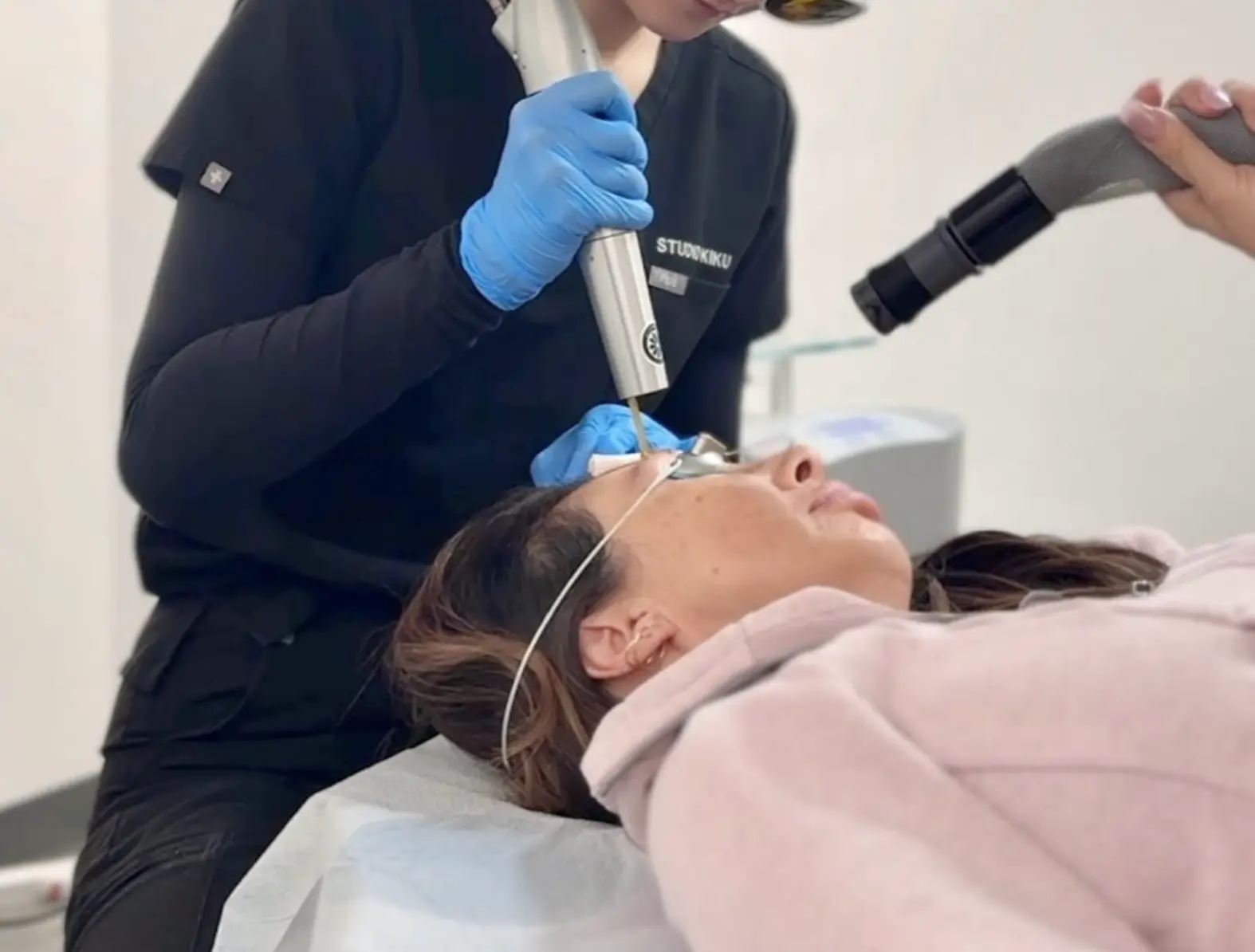
Different skin types and skin conditions affect the healing process after laser tattoo removal sessions. Sensitive skin, dark skin tones or a history of keloid scars may be at higher risk of scarring after laser tattoo removal. Proper consultation with a tattoo removal specialist or dermatologist is essential to evaluate the risk based on skin health.
3. Tattoo Age, Size and Ink Depth
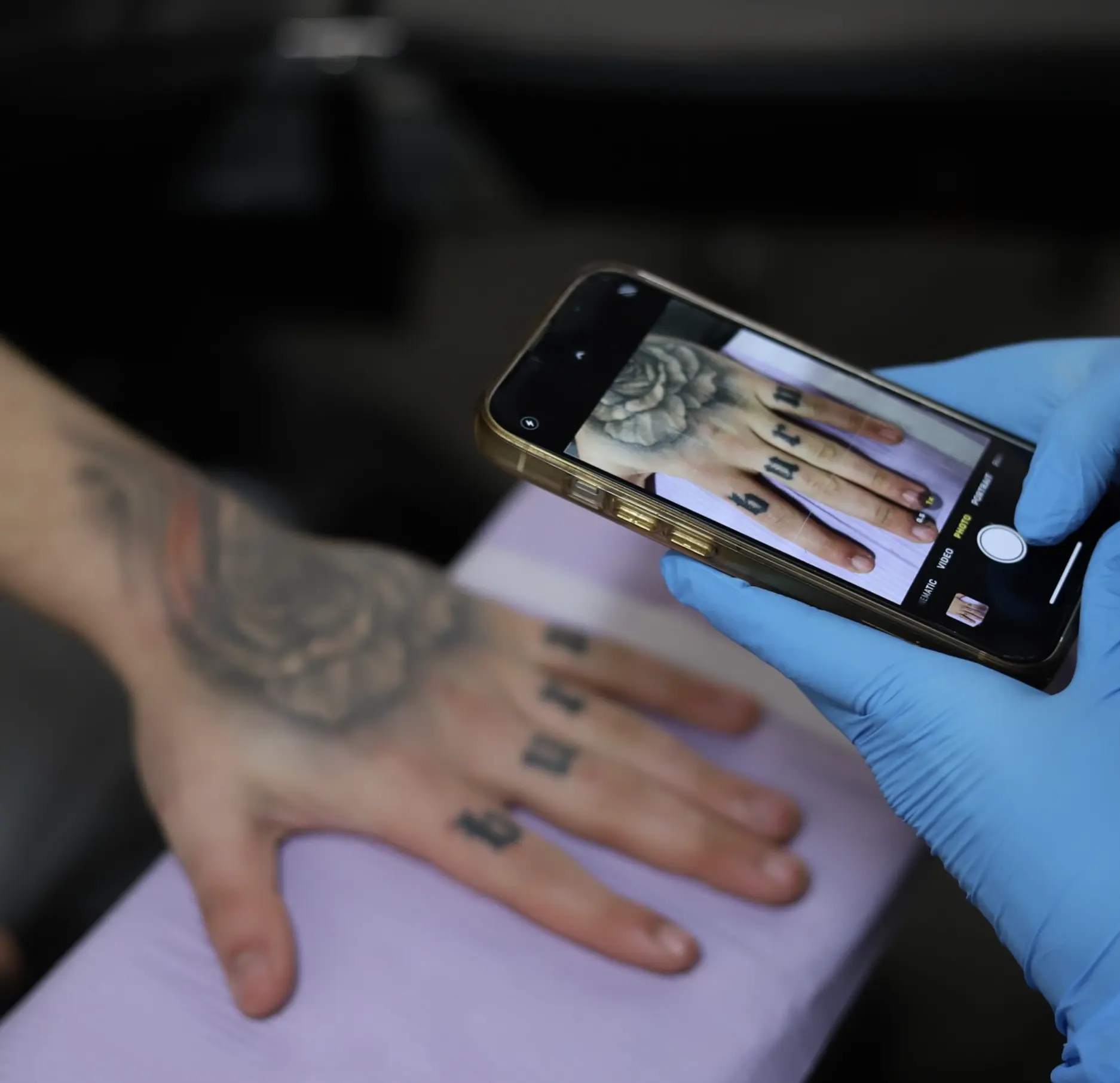
Older tattoos, black tattoos and darker tattoo pigments fade faster and require fewer sessions with less scarring. Larger tattoos, colorful tattoos with multiple colors of ink and deeply embedded ink particles require more sessions, slower healing and more scarring.
4. Aftercare
Proper aftercare for laser tattoo removal is crucial in preventing scarring. This includes keeping tattooed skin clean, keeping skin hydrated, avoiding sun exposure, not picking at flaky skin and applying recommended healing ointments. Poor aftercare, exposure to chemicals and using tattoo removal creams can increase scarring risk and delay healing. Following aftercare instruction from a laser tattoo removal technician ensures optimal skin health and minimizes scarring.
How to Prevent Scarring
Most people don’t scar from laser tattoo removal with proper care. Choosing a reputable clinic, consulting with an experienced professional and spacing out weeks between laser tattoo removal sessions allows the skin to heal properly. Hydrate your skin, drink plenty of water and avoid chemicals and you’ll be golden for your tattoo removal journey. If a scar does develop options for tattoo removal scar treatment are skin resurfacing, skin needling, anti-aging skin care treatments and laser skin treatments.
Alternatives
While laser tattoo removal is the most common method there are alternatives. Chemical peels, dermabrasion, tattoo removal creams and surgical excision are other methods of removal but they carry a higher risk of scarring and slow healing. Advanced technology in laser tattoo removal makes it the preferred option for those who want an effective method with minimal risks.
Conclusion
Tattoo removal is safe and effective when done by experienced tattoo artists, skilled professionals and laser specialists. Scarring is a possibility but can be minimized with proper care and advanced laser technology. With realistic expectations, proper aftercare and consultation appointments with medical professionals you can get complete removal and still look like yourself. The art of tattoo removal is evolving offering fast laser tattoo removal procedures with less scarring and faster recovery. If you’re thinking of getting tattoo removal consult an experienced specialist and you’ll have a smooth tattoo removal journey with optimal results.
FAQ
Does laser tattoo removal hurt?
Laser tattoo removal can be a little uncomfortable, often described as a rubber band snapping against the skin. But numbing creams and cooling devices help with the pain.
How many laser sessions are needed to remove a tattoo completely?
It depends on tattoo size, tattoo ink colors, ink depth and skin color. Most tattoos require 5 to 10 sessions spaced several weeks apart.
What are the chances of scarring from laser tattoo removal?
When done correctly by an experienced professional, it has a low risk of scarring. But improper care, previous scarring or slow-healing skin can increase the chances of permanent scarring.
How can I reduce the risk of scarring after laser tattoo removal?
Follow all aftercare instructions, keep your skin hydrated, avoid chemicals, drink plenty of water and don’t scratch or pick at flaky skin during the healing process.
What if I get a scar?
If scarring occurs, skin resurfacing, skin needling or laser removal can help with scarring. Consult a medical professional, dermatologist or experienced specialist to explore scar treatment options.